Red Bull were in the spotlight for all of the wrong reasons before the Japanese Grand Prix. After just two races, Liam Lawson was dropped from the senior team and replaced with Yuki Tsunoda. I believed that Tsunoda would have been the right choice for Red Bull last winter.[1] But Liam was not given a fair chance, two races under incredibly difficult circumstances were not enough to judge his full potential. Furthermore, by putting Tsunoda in the car now, he has missed the entirety of pre-season testing, so his full potential will be less apparent than if Red Bull signed him last year. Red Bull seems to be a very uncertain organisation and their indecision on their second seat is proving to be embarrassing. Prior to the grand prix, it seemed like nothing could help Red Bull avoid a constant stream of bad headlines. However, Max Verstappen’s performance in Japan brought some much-needed positivity.
McLaren had the fastest car in Japan. The drivers should have been able to lock out the front row. But on Saturday, Max Verstappen’s lap was perfect. He drove his Red Bull to the absolute limits to record a shocking pole position. Part of this was helped by the McLaren drivers underperforming. Lando’s lap was clean, yet unremarkable, whilst Oscar’s lap would have been fantastic, if he hadn’t made a major mistake at turn two that destroyed his chances of pole. Yet, no other driver would have been able to take advantage of the situation in that Red Bull. It has proved to be so difficult to drive, it should not be anywhere near pole and only was due to the excellence of Max. Once Max had pole and didn’t lose the lead at the start, the race never looked in doubt. Some people, for example 1997 F1 champion Jacques Villeneuve, have pointed to McLaren’s strategy as being overly cautious and lacking a race winning mentality. But I don’t believe that there was anything McLaren could have done to win the race. Japan, a track already difficult to overtake on, proved almost impossible to thanks to the lack of significant tyre wear. So, whilst McLaren could have attempted an overcut with Lando, or let Oscar by to challenge Max at the end, I do not believe either of these strategies would have worked. Max’s exhilarating pace on Saturday won him the race. And he now sits only one point behind Lando in the drivers’ championship. Don’t count him out.
On the other side of the garage, things were less smooth sailing. Yuki Tsunoda showed more potential than Lawson had in his two races, lapping close to Verstappen in practice and the first part of qualifying. But during Q2, Yuki did not prepare his tyres correctly and consequently, had to start the race in fourteenth. Subsequently, the lack of overtaking opportunities resigned Yuki to a frustrating race. Whilst he was able to overtake Liam Lawson at the start and undercut Pierre Gasly at the pit stops, Yuki spent the rest of the race stuck behind Fernando Alonso and finished in twelfth. There should be better results to come from Yuki this season. But the Red Bull’s incredibly narrow operating window caught him out this weekend. To succeed where Verstappen’s previous teammates have failed, Yuki needs to ensure that twelfth place in Japan does not foreshadow a string of mediocre results.
Whilst Max was the most impressive driver at Suzuka, the second most was also a Red Bull driver, albeit one driving for the junior team. Isack Hadjar had showed impressive form in his first two weekends, though had failed to convert his pace into point scoring positions. But that all changed in Japan, not without suffering on Isack’s part. Because in the first part of qualifying, Isack’s seatbelt was too tight, causing him severe pain in an unfortunate area. The fact that he managed to get out of Q1 with this pain was impressive enough. To persevere and outqualify Lewis Hamilton by the end of qualifying was remarkable. And whilst Isack lost a place to Lewis in the race he still finished an impressive eighth place, occupying the top of the midfield. Isack had a lot of doubters when he came into F1 at the beginning of the year, including some senior figures within Red Bull. In three weekends, he’s successfully silenced all the critics and put himself on the map as a driver to watch. I personally am quickly becoming a fan of Isack’s and I’m excited to see what performances he can string together throughout the year. Depending on what happens with Yuki, he may even end up being Max Verstappen’s third teammate this year.
So, it was an eventful weekend for Red Bull. Bad PR overshadowed by an emphatic win, a teammate swap tentatively appearing to pay off and a rapid rookie stealing the headlines. Red Bull may not always bring us the most positive headlines, but in a weekend that should have been dominated by McLaren, all the attention was on the team from Milton Keynes.
Oscar had a fantastic bounce back in Shanghai after his spin in the rain at Melbourne. He was comfortably the best McLaren driver throughout the weekend, took the lead from pole and never looked under threat throughout the race. If he strings together weekends like this, Oscar can challenge for the championship.
2. George Russell-
George was the only driver throughout qualifying and the grand prix who was able to challenge the McLarens. Whilst the pace of Lando made impossible to keep behind, George kept himself within reach. This nearly paid off at the end of the race, as given one more lap, Lando’s brake problems would have allowed George to finish in second. As it was, he had to settle for third, but George was still brilliant.
3. Esteban Ocon-
Ocon was the best midfield driver in the race. Whilst qualifying eleventh, great tyre wear, good strategy and a daring overtake on Kimi allowed Esteban to be classified in fifth, earning ten points for the Haas team that looked nowhere in Australia.
4. Alexander Albon-
Albon led the race at one point, something I forgot about until rewatching the race highlights. Whilst this was due to an offset tyre strategy, Albon kept his early form from Australia going, outperforming his teammate Carlos Sainz in every metric to finish in seventh place. In two races, Alex has silenced every doubter and as a fan, I think it’s wonderful to see.
5. Oliver Bearman-
Whilst not shining in qualifying, Ollie more than made up for it in the race, using a hard-to-medium tyre strategy to great effect. His overtakes at the hairpin were very impressive for an F1 driver of little experience and they allowed him to take eighth, an extra four points for Haas.
Haas embarrassed themselves in Australia. Their car showed a fundamental weakness in high-speed corners that exposed them as the slowest car by far. After punching above their weight in 2024, it appeared it would be a while before they were fighting for points in 2025. Whilst the Shanghai circuit doesn’t possess the high-speed turns of Melbourne, I still expected the team’s weekend to be mediocre at best. But I was wrong.
Haas were not the fastest midfield team during qualifying at Shanghai. That honour went to the Racing Bulls (who qualified in seventh and ninth), with the Williams of Albon (in tenth) also appearing slightly quicker than the Haas. Esteban Ocon qualified in eleventh, but cleared the Williams to run behind the Racing Bulls during the opening stint. After the pit stops, Esteban found himself ahead of the Racing Bull of Isack Hadjar and behind the Mercedes of Andrea Kimi Antonelli, but made a fantastic move on the grass to jump past the Mercedes car, where he would remain until the end of the race. Esteban was running in a net eighth behind Yuki Tsunoda, but that became a finishing position of seventh when Racing Bulls made the mistake of pitting their cars twice. Capping off Haas’ fantastic day was Oliver Bearman’s performance. He had not qualified as well as Ocon, which led Haas to elect to place him on an alternate hard-to-medium strategy. This would give Ollie fresher tyres than the cars ahead late on in the race, yet he still had to make moves on a track where it proved difficult to overtake. Ollie duly delivered, making decisive moves at the hairpin on car after car, whilst saying ‘ciao’ on the radio to his competitors. Ollie’s overtaking earned him a tenth place and another valuable point for the team.
Ferrari also had a difficult time in Australia, suffering a weekend full of bad pace and poor strategic calls.[1] Initially, their weekend in China looked to be heading in a positive direction. In the short sprint race, Lewis Hamilton had taken pole position and managed his tyres perfectly to win. Yet, by Saturday’s qualifying session things were less positive. The McLarens showed their pace after failing to maximise in the sprint, George Russell put in a fantastic lap to take second place and Max Verstappen managed a slightly faster lap than the Ferraris as well. This left the Ferrari drivers in fifth and sixth on the grid. In the race, they were not very impressive. Whilst clearing Verstappen at the start, both lacked race pace, Lewis due to a poor setup and Charles due to losing his front wing endplate after contact with his teammate. Charles was not able to overtake George Russell for a podium, likely due to the downforce loss he suffered from his damage. Furthermore, by the end of the race, Max had found some pace and made his way past the Ferrari cars. Thus, they disappointingly finished in fifth and sixth. At least, they finished there initially.
After the race, both Ferraris were disqualified, for two separate technical infringements. Charles’ car was found to be underweight and Lewis’ was found to have excessive plank wear. The team blamed the switch to a one-stop strategy for Charles’ disqualification, an explanation that made little sense, as many other teams switched strategies whilst avoiding disqualification. Additionally, Charles’ car was a whole kilogram underweight, something that seems unlikely to be due to tyre wear alone. Fundamentally, the team failed in its calculations. Ferrari can provide any excuse or explanation, but their main rivals did not make the mistake that they made. Ferrari’s own blunders caused this disaster, blunders that are losing the team valuable points in the championship.
So, Ferrari are really disappointing their fans in 2025. Whilst Haas have relived theirs. Furthermore, the Ferrari disqualifications had the effect of making Haas’ day even better, as it led them to be classified in fifth and eighth. This is actually the Haas team’s second-best result in their history, only behind the 2018 Austrian Grand Prix. And for the second week in a row, the highest Ferrari-powered driver in the championship is not a Ferrari driver, as that honour now belongs to Esteban Ocon. Which is incredibly embarrassing for Ferrari. It appears that after all the hype surrounding Lewis Hamilton’s move to the team, their season is slowly unravelling.
Lando Norris dominated the weekend in his McLaren. He withstood the pressure from his teammate Oscar Piastri and Red Bull’s Max Verstappen to win and take the championship lead. What was really impressive regarding Lando’s weekend was how confident he seemed. In interviews, he just seemed to have a certain spark of determination that projected that he knows he can win this championship. He may have made a couple small mistakes along the way, but in contrast to situations that occurred last year, they were not race losing mistakes.
2. Max Verstappen-
Verstappen continued to prove his relentlessness, even when provided with inferior machinery. He was the only driver that meaningfully challenged the McLarens and he came within a second of winning the race. This was mostly due to the late race safety car, but nevertheless, Verstappen reminded everyone that he can never be counted out of a race win, even in a Red Bull that was at times a second a lap slower than the McLaren.
3. Andrea Kimi Antonelli-
Whilst damage to his Mercedes during qualifying led to Kimi starting in sixteenth, he proved his doubters wrong on race day. Kimi made fantastic moves throughout the field on a track where it’s incredibly difficult to overtake, with his late race overtake on Alex Albon being a personal highlight. He did have a spin along the way but quickly recovered to finish fourth on his debut. This was a fantastic result and justifies the hype surrounding Kimi, he truly is a top-level talent.
4. Alexander Albon-
After everyone hyped new Williams signing Carlos Sainz, it was teammate Albon who shined in Australia. He outqualified Sainz and was running in seventh during the opening stint, whilst Sainz had crashed out on lap one under the safety car. Seventh place would have been a great result for Williams, but it became even better when the team called the switch to intermediate tyres perfectly, allowing Alex to move into fourth. This became fifth when Kimi overtook him, but was still Alex’s best finish for the Williams team since he joined in 2022.
5. Yuki Tsunoda-
Yuki really should have finished the race in the top five. He had a superb qualifying, putting his car in fifth on the grid. Running ahead of Albon during the opening stint, all the Racing Bulls team needed to do was to pit Yuki at the right time for intermediate tyres. Unfortunately, they didn’t, and Yuki finished the race in twelfth. But that isn’t representative of his drive, as Yuki was outstanding all weekend.
It was a bitterly disappointing weekend to be a Ferrari fan. Whilst the McLaren certainly felt like it was the quickest car during testing, the Ferrari appeared to be a potential challenger. But that was not what transpired in Australia. The McLaren won the race, whilst the Ferrari left the event with only five points. Ferrari wasn’t even the highest scoring Ferrari-powered car, with that honour going to Nico Hulkenberg’s Sauber. The only question left to ask is, what happened?
Answering what happened regarding the McLaren is an easier deduction. They seem to have a dominant package, that can hold on to its tyres in a way that McLaren’s rivals cannot replicate. This allowed them to master sector three in qualifying where other cars faltered and whilst Max Verstappen was able to split the McLaren drivers early on, he eventually struggled to keep up. After Oscar Piastri passed Max, the McLarens were lapping around a second a lap faster than the Red Bull. The only thing that prevented them from wrapping up a first and second were the safety cars and changeable conditions, with heavy rain forcing Oscar into a spin that relegated him to finishing in ninth place. The fact that Max Verstappen was within a second of winning the race is just a testament to the relentlessness that won him the last four championships. But if the McLaren’s pace is replicated throughout the whole season, Max won’t even be able to get a whisker in the title fight.
Ferrari’s performance was awful. They qualified badly, taking seventh and eighth and then in the race made an unwise decision not to switch onto the intermediate tyres when it rained heavily late on. This led to a finishing position of eighth and tenth. The Ferrari looked like an embarrassment of a car. But it didn’t on Friday. On Friday, Ferrari looked like McLaren’s closest challenger. And what was most confusing was that there were several corners that Ferrari were faster at during Friday’s practice than they were during Saturday’s qualifying. This has led to speculation that Ferrari had to make a setup change that compromised their performance, speculation backed up by team principal Fred Vasseur’s assertion that we have yet to see the real Ferrari.[1] However, I am not getting my hopes up. Even if the lack of performance was due to necessary changes, this indicates that Ferarri either does not know how to set up the car, or that the car has an incredibly narrow setup window, neither of which are good omens for the season ahead. Lewis Hamilton did not join Ferrari in expectation of performances like the one we saw in Australia. But knowing the recent history of Ferrari, this was exactly the disappointment many Ferrari fans expected.
So that’s the disappointment of Australia over. Not that the race itself was disappointing, it was filled with fun and chaos. But that real Ferrari better show up in China. Otherwise, fans will start asking Fred Vasseur if the real Ferrari is in the room with us right now.
IndyCar is back! The most competitive motorsport in the world, with some of the greatest drivers, hit the streets of St Petersburg, Florida, over the weekend. Multiple drivers showed their worth: Scott McLaughlin; Colton Herta; Scott Dixon; and Josef Newgarden all put in some fantastic performances. Yet, I’m sure a lot of people felt disappointed when Alex Palou won. Whilst he is a fantastic driver, fans do get fed up when they see the same driver constantly winning. And Palou has won three of the last four championships, so to see him win the opening race of the season does feel stale. Yet, I don’t believe that a fourth Palou championship is as forgone as it looks and Alex’s victory on Sunday was far from inevitable.
A major factor affecting the St Petersburg weekend was the presence of the new softer tyres. These tyres degraded to the point that they could not last an entire fuel stint. The rules of an IndyCar race stipulate that both sets of tyres need to be used for at least a lap. Pole sitter Scott McLaughlin, who showed fantastic pace throughout the whole weekend, had elected to start on the harder tyres. In contrast: Herta; Dixon; Newgarden; and Palou had all started on the softs. Thus, when a full course yellow occurred after a first lap crash, every driver who had started on the softer compound instantly pitted for the hards. Therefore, these drivers would not have to do a full stint on the softer compound, which would save them a lot of race time. So, despite McLaughlin being the best driver at St Pete, he could not capitalise on his pace and had to settle for fourth place.
After the initial pit stops, Colton Herta appeared to be the favourite to win. He had qualified in second, just behind McLaughlin, and had started on the softer tyres. Furthermore, following the race restart, he jumped past Callum Ilott, who was in the train of cars that had started on the hard tyres. This allowed Colton to build a gap between himself and the other cars that had already pitted. Unfortunately, Colton’s hard work did not pay off, as his pit stop was woefully slow. This put him in a position where it would be tough to fight for victory, but Colton’s day turned from bad to dreadful when his next pit stop came early due to a fuel problem. Thus, Colton Herta, the early favourite, finished the race in sixteenth place.
After the second phase of pit stops, Scott Dixon seemed in prime position to win the race ahead of Palou, Scott’s teammate. Scott had efficiently overcut the other drivers on the winning strategy at the second phase of pit stops and was running in a net first place. However, he had no radio. Thus, the team could not tell him when to pit, so Scott had to make the call himself. If the team had radioed Scott, they would have likely pit him on the same lap as Palou, as Scott encountered traffic on the subsequent lap. This allowed Alex Palou to undercut Scott, with Josef Newgarden then overtaking him, as Scott was on colder tyres. And whilst Josef hassled Alex until the end, the St Petersburg track was too hard to overtake on, plus Newgarden overheated his tyres in the process. This allowed for Scott to retake second place on the final lap, reestablishing a Chip Ganassi 1-2, but with Palou at the head of the field instead of Dixon.
In conclusion, I think we should all wait to see how the season plays out before jumping to a conclusion about who the champion will be. It certainly could be Alex Palou, as he’s a fantastic driver and can always be counted on to deliver. But anything can happen in IndyCar. Which the St Petersburg race itself proved, as we were constantly guessing who would win. It’s a good omen for the season and I can’t wait for the next race.
And also, one more thing. Congratulations to Will Buxton for proving himself to be a fantastic lead commentator for IndyCar. Will has constantly been the subject of memes due to being typecast in the Netflix show Drive to Survive as a person who states the obvious. The Netflix show makes him look stupid, but Will is a talented journalist and it’s great that he’s got such a wonderful job being able to narrate some of the greatest races in the world.
Throughout 2024, we watched a multitude of impressive performances from Formula One’s talented drivers. We also saw some performances that were less than stellar. But which drivers delivered the most and which ones floundered most frequently? Well, if I offer my completely subjective perspective, the list would be as follows:
N/A. Jack Doohan-
Jack Doohan was brought in prior to his full-time debut in 2025 to replace Esteban Ocon for the final race of 2024. He did reasonably well and was not far off the pace on debut, but didn’t impress either. As his race was essentially a trial run to help prepare for his rookie season, I felt would be unfair to rank his performance. But all my best wishes go out to Jack for his 2025 season.
23. Logan Sargeant-
I had hope that Logan would begin to build on his less than impressive rookie season during his sophomore year. Unfortunately, he was worse than in 2023, never outqualifying his teammate for a grand prix and crashing far too often as well. This led to his ousting from the Williams team prior to the Italian Grand Prix, where he was subsequently overshadowed in every conceivable way by his replacement. My best wishes go out for Logan to have success in all his future endeavours, but he deserved to lose his F1 seat.
Highlights:
Austrian Sprint: This was the only time Logan outperformed teammate Alexander Albon all year. He qualified in fifteenth and finished in sixteenth.
British Grand Prix: The closest all year Logan came to finishing in the points, qualifying in twelfth place during a cold British Saturday and then finishing in eleventh (only nine seconds off the points) during a rainy British Sunday.
Lowlights:
Bahrain Grand Prix: Finished last during the first race of the season, two laps behind the leader.
Australian Grand Prix: During the third race weekend of the season, Alexander Albon destroyed his Williams during practice, forcing the team to only run one car. However, despite Albon being the one to make the mistake, the team decided to force Logan to miss the race, as they felt that Albon was their best chance of scoring points. This spoke to how little faith the team already had in Sargeant so early on in the year.
Monaco Grand Prix: Finished second to last on a weekend when Albon scored two points.
Canadian Grand Prix: Crashed on his own to become the race’s first retirement.
Spanish Grand Prix: Qualified and finished in twentieth place.
Austrian Grand Prix: Was unable to back up his sprint performance, qualifying and finishing in nineteenth (which thanks to Lando Norris’ late retirement, was effectively last).
Dutch Grand Prix: A huge crash in practice left Logan unable to qualify for the race and broke the new upgrades introduced that weekend. After this, the team had lost their patience and fired Logan.
22. Sergio Perez-
Like in the previous two seasons, Sergio Perez started the year in a strong form that quickly fell off a cliff. Yet unlike the last two years, the early form included no wins and the drop off was so steep that Perez spent most of the season barely able to score points. Other than his impressive performance in Baku, there was no sign of a fightback from Sergio, leading to Red Bull dropping him at the end of the year. After six consecutive top five finishes in the first six races, Sergio never finished higher than sixth for the rest of the year, singlehandedly losing Red Bull the constructors’ championship. His performance was awful and barely resembled the Sergio Perez who used to be one of the best drivers in the midfield. Being teammates with Max Verstappen is truly the toughest job in Formula One.
Highlights:
Saudi Arabian Grand Prix: Showed impressive pace in the second race of the season to finish in second place only eight seconds behind Verstappen (before a five second penalty was applied).
Japanese Grand Prix: The closest Perez ever got to beating Verstappen in the early phase of the season, as he qualified less than a tenth of a second behind his teammate before finishing the race in a solid second place (at one of Verstappen’s best tracks).
Chinese Sprint: Perez’s double overtake to take third place in the sprint at Shanghai earned him the FIA Action of the Year Award. I had completely forgotten that it had happened before the award was handed out. But, if it’s good enough for an awards ceremony, it’s good enough for me.
Azerbaijan Grand Prix: The only weekend of the year where Perez comprehensively outperformed Verstappen. If not for Lando Norris holding him up after his pit stop, Sergio may have won. Even so, he was on course for a podium finish, before Carlos Sainz crashed into him. But this was still the only good performance Perez delivered after Miami.
Lowlights:
Monaco Grand Prix: After his decline had started in Imola, it really became clear during the Monaco weekend. Whilst the Red Bull did not have the pace to win that weekend, Verstappen still qualified and finished sixth. Perez, on the other hand, only outqualified the two Saubers before being crashed into on the opening lap.
Canadian Grand Prix: Qualified in sixteenth, crashed into Gasly on the opening lap and spun out on the fifty second lap.
British Grand Prix: Crashed out in qualifying, then finished the race in seventeenth, only ahead of Zhou Guanyu and two laps behind the race winner. Meanwhile, Verstappen finished less than two seconds off of victory.
Belgian Grand Prix: After starting second, there was hope that Perez could turn his season around at Belgium, possibly even with a victory. However, he lost a position to Hamilton at the start and gradually fell through the field with abysmal pace, finishing behind all the other drivers from the top four teams and thirty-four seconds behind Verstappen (who had started eleventh after an engine penalty).
Singapore Grand Prix: Finished tenth at a track he had previously won on, whilst Verstappen finished second.
Mexican Grand Prix: Had a horrendous weekend at home, qualifying in seventeenth place and finishing in last after a collision with Liam Lawson ended any chance Perez had of making progress.
Brazilian Grand Prix: On a weekend where Verstappen had one of the best performances of his career, Perez was fighting tooth and nail to even finish in the points. Which he didn’t, finishing in eleventh.
Qatar Grand Prix: After an awful sprint race, Perez was actually having a decent performance. But then he spun out under the safety car, a mistake that even a rookie shouldn’t make, let alone one of the most experienced drivers on the grid.
21. Lance Stroll-
Lance Stroll had a pretty poor season. As has become routine, he had a few good performances and was woefully mediocre the rest of the time. As his father owns the team, Lance has unlimited job security. But if Aston Martin actually build a championship contending car in 2026, Lance will guarantee they will have no chance of winning the constructors’ championship.
Highlights:
Australian Grand Prix: Outqualified his teammate Fernando Alonso and whilst he only finished ahead of Alonso in the race due to an unfair penalty, sixth place was still a good result during the early season, when the Aston Martin had the pace to fight with the top four teams.
Imola Grand Prix: Outqualified Alonso and then utilized a good strategy to take ninth place during a weekend where the Aston shouldn’t have finished in the points.
Canadian Grand Prix: Took seventh place in his home race, only finishing six seconds behind Alonso.
British Grand Prix: Outqualified and finished ahead of Alonso, in a solid seventh place.
Lowlights:
Saudi Arabian Grand Prix: Unnecessarily crashed out of the race on a weekend when the Aston Martin was very competitive (as demonstrated by Alonso finishing in fifth).
Japanese Grand Prix: Nearly a second slower than Alonso in qualifying and only finished twelfth when he should have been in the points.
Chinese Grand Prix: Crashed into Ricciardo under the safety car, in what was somehow only Lance’s second most embarrassing mistake of the year.
Italian Grand Prix: Finished in last when Alonso nearly scored points.
Azerbaijan Grand Prix: Crashed into Tsunoda and gave him race ending damage, before retiring with brake problems later on.
Brazilian Grand Prix: Due to start tenth, but spun out on the formation lap. After this, Lance proceeded not to drive through the escape road, but directly into the gravel trap. Lance then got stuck in the gravel trap, something that was predictable to literally anyone who knows how a gravel trap works. Why he decided to try and drive through a gravel trap, I have no idea, but he did.
20. Zhou Guanyu-
In what is likely to be Zhou’s final year in F1, he unfortunately delivered his weakest season-long performance. Zhou spent most of the year being outqualified by his teammate Valtteri Bottas, occasionally with an incredibly large margin. However, Zhou did get end his F1 career on a relatively high note, as Sauber’s late season upgrades allowed Zhou to score the team’s only points of the season. In the last few races Zhou began to show signs of the solid, if unremarkable, driver that he had been in his first couple of seasons in the sport. Still, spending most of the season glued to the back of the grid makes it hard to justify Zhou being any higher in this list.
Highlights:
Bahrain Grand Prix: In the first race of the season, Zhou produced a really good performance, racing the second slowest car that weekend to eleventh, in what proved to be a false dawn for the season.
Las Vegas Grand Prix: Outqualified Bottas in the upgraded Sauber and for a while looked like he had a chance to score points. Whilst he ultimately finished in thirteenth, it was still a good performance in an event where his teammate was nowhere.
Qatar Grand Prix: Whilst the timing of the safety car helped a lot, Zhou showed solid pace afterwards to remain in eight place, scoring Sauber their only four points of the season. It was a feel-good story for his penultimate race and one that reminded fans that Zhou was not as bad as he had looked for the rest of the year.
Lowlights:
Monaco Grand Prix: Qualified and finished last in a weekend where the car had no pace.
Canadian Grand Prix: Qualified nearly a second behind Bottas, finished last and was the only driver not to finish on the lead lap.
Hungarian Grand Prix: Was sixth tenths behind Bottas in qualifying and finished last.
Belgian Grand Prix: Was two seconds behind Bottas in a wet qualifying session and retired early on with a hydraulics issue.
Dutch Grand Prix: Qualified a second behind Bottas and finished the race in twentieth place.
United States Grand Prix: Qualified and finished last.
Brazilian Grand Prix: Was over a second behind Bottas in a wet qualifying session and finished the race in last place.
19. Daniel Ricciardo-
Daniel Ricciardo was drafted into the Red Bull junior team in 2023 in the hopes that he would regain the form that he possessed when he was Max Verstappen’s teammate, so that he would be a suitable replacement for Sergio Perez if he failed to perform. And whilst Perez did have an awful season, Daniel showed that he was not the driver that was once touted as a future world champion. He only showed glimpses of his talents and most of the time was beaten by his less experienced teammate Yuki Tsunoda. This led to Red Bull pulling the plug before the season’s end, replacing Daniel with Liam Lawson. Whilst an eight-time grand prix winner did not deserve to be dropped mid-season, it’s hard to argue that he deserved to be retained either.
Highlights:
Miami Sprint: Qualified and finished in fourth place, in what was arguably the only time we saw the Daniel Ricciardo of old during his RB stint.
Canadian Grand Prix: Qualified in fifth place and fought back through the field after the second safety car to finish in eighth, whilst Tsunoda spun out of the points.
Austrian Grand Prix: Finished the race in ninth whilst Tsunoda didn’t score points.
Belgian Grand Prix: Climbed from thirteenth to tenth, finishing twenty-two seconds ahead of Tsunoda in sixteenth.
Lowlights:
Australian Grand Prix: Qualified seven tenths behind Tsunoda at his home race, then finished in twelfth whilst Tsunoda finished best of the rest (seventh).
Miami Grand Prix: Failed to repeat the form he had shown in the sprint race, starting from last and finishing in fifteenth whilst Tsunoda was best of the rest (seventh).
Singapore Grand Prix: Had a mediocre last race, whilst also not receiving a proper send off. Taking the fastest lap was of little consolation as Daniel was visibly upset throughout the weekend.
18. Kevin Magnussen-
Kevin Magnussen certainly had the most entertaining season of any driver in 2024. He had so many incidents that he became the first driver to be banned from a race since Romain Grosjean in 2012. He was F1’s merchant of chaos and I’m going to sorely miss him. However, with the exception of a few scattered performances and a strong finish, Kevin’s season was still relatively weak when compared to his teammate and most of the other drivers. So as fun as the chaos was to experience, it doesn’t justify him featuring any higher in this list.
Highlights:
Saudi Arabian Grand Prix: Pulled off a defensive masterclass early in the year to keep the midfield behind him and ensure that his teammate Nico Hulkenberg scored Haas’ first point of the season.
Imola Grand Prix: In what I feel was the most overlooked performance of the year, Kevin climbed through the midfield from eighteenth to twelfth on a track where it is notoriously difficult to overtake on, finishing just behind his teammate who had started in the top ten.
Austrian Grand Prix: Backed up Hulkenberg’s sixth-place with an eighth-place finish, together earning the Haas team twelve points, as many in one race as the team had achieved in all of 2023.
Italian Grand Prix: Was there to pick up the pieces after Hulkenberg was pushed into the gravel. Keivn finished in tenth place, which would been ninth if not for a penalty that also gained him a ban for the next race. In classic Magnussen fashion, he managed to get a points finish and a race ban in the same weekend.
Mexican Grand Prix: Thoroughly outclassed Hulkenberg all weekend, qualifying and finishing in seventh, matching Verstappen’s pace and keeping Oscar Piastri’s McLaren behind in the closing stages.
Qatar Grand Prix: Qualified in tenth and finished in ninth during a chaotic race during which his teammate spun off.
Lowlights:
Chinese Grand Prix: Took Tsunoda out of the race and finished second to last, in a weekend when his teammate finished in tenth.
Miami (Sprint and Grand Prix): Almost a highlight for how entertaining it was. In the sprint racked up thirty-five seconds of penalties for bullying Lewis Hamilton and then crashed into Logan Sargeant in the main race on his way to last place.
Monaco Grand Prix: Caused a collision that ended his own race, his teammate’s, and Sergio Perez’s.
17. Valtteri Bottas-
It’s very hard to judge just how good Bottas’ season was, as he spent most of the year trundling around in uncompetitive machinery. The only real judgement I can be certain of is that he had a better season than teammate Zhou, as he almost always outqualified him, often by wide margins. However, there were not a multitude of signs that Bottas had an outstanding season either, as Zhou often finished ahead in the races. Whilst this may be due to luck, it’s still hard to justify placing Bottas any higher in this list than drivers who had standout performances in cars that let them show their talents. But I hope this wasn’t Bottas’ final season in the sport, a driver of his calibre deserves a far better ending than this.
Highlights:
Australian Grand Prix: Looked to have a chance at points until a thirty second pit stop ruined his race.
Chinese Grand Prix: Qualified in tenth and could have scored points if not for an engine failure.
Lowlights:
Las Vegas Grand Prix: Qualified in nineteenth and finished last on a weekend when Zhou fought for points.
Abu Dhabi Grand Prix: After qualifying in ninth, messed up his final chance at scoring points by hitting Perez at the start then Magnussen later on, in a performance one can only describe as clumsy.
16. Liam Lawson-
Liam Lawson’s second short stint at the Red Bull junior team was stellar, if unremarkable. He was close to his teammate Tsunoda throughout the six races he participated in and collected a handful of points along the way. Whilst not yet convincing me that he’ll a potential superstar alongside Max Verstappen, Lawson put on a decent showing for himself.
Highlights:
United States Grand Prix: Climbed from the back of the grid to ninth place whilst showing better pace than Tsunoda did on younger tyres.
Brazilian Grand Prix: Scored points in ninth place in torrential conditions, keeping Perez and Hamilton, who were in faster cars, behind him.
Lowlights:
Las Vegas Grand Prix: Nowhere near Tsunoda in qualifying and finished the race half a minute behind him in sixteenth, when the car was more than capable of scoring points.
Abu Dhabi Grand Prix: Was not Liam’s fault that he was sent out without his tyres properly attached, yet leaving the car without turning it off is a careless blunder and one that could have posed a risk to the marshals.
15. Franco Colapinto-
After being promoted from Formula Two to replace the ailing Logan Sargeant, Franco Colapinto instantly proved his worth by scoring four points in two races, three more points than Logan had scored over two years. Franco’s pace was similar to Albon’s and he attracted a huge Argentinian fanbase, who haven’t seen a competitive driver from home since Carlos Reutemann drove in the 80s. However, Franco’s impressive start was dampened by a few high-profile crashes that hindered Williams’ ability to remain competitive. Yet the main positive is that Franco showed that he has serious speed, speed which has allowed him to turn heads in the F1 paddock. If you’re fast, mistakes can be ironed out later.
Highlights:
Italian Grand Prix: Franco’s first race justified his promotion, as whilst he made a small mistake in qualifying that left him unable to compete for points, he made moves throughout the field to climb from eighteenth to twelfth. His first race was more complete than anything Logan Sargeant had managed throughout the year and was a good start to build upon.
Azerbaijan Grand Prix: In only his second race, Franco qualified in the top ten and maintained position in the race, finishing just behind Albon, scoring a valuable four points for the team in eighth place.
Singapore Grand Prix: In his third race, set a qualifying time nearly identical to Albon’s, then made an audacious lunge at the start of the race to run in the points. Pace and strategy meant Franco ended up finishing just outside the points in eleventh, but still left a positive impression.
United States Grand Prix: Was better than Albon in the race, climbing from fifteenth to tenth whilst Albon fell from fourteenth to sixteenth.
Lowlights:
Brazilian Grand Prix: Crashed in qualifying and behind the safety car in the race.
Las Vegas Grand Prix: Ruined his weekend with an unnecessary crash in qualifying, when he was faster than Albon and had a chance at scoring points.
14. Esteban Ocon-
Ocon looked like the faster Alpine driver when the car was at its least competitive, only to fade in comparison to teammate Pierre Gasly as the machine improved. Part of Ocon’s relative decline was like due to the deteriorating relationship between himself and the team. Nevertheless, Esteban remained largely anonymous throughout the second half of the year (bar one obvious exception). The 2025 season should provide more highlights for Esteban when he moves to a healthier work environment.
Highlights:
Miami Grand Prix: Beat Gasly to score Alpine’s first point of the season, even if both drivers looked like they were trying to crash into each other on the opening laps.
Canadian Grand Prix: Overcame a grid penalty to climb from eighteenth to tenth on a rainy day in Montreal.
Belgian Grand Prix: Finished the race in ninth, eleven seconds ahead of his teammate in thirteenth.
Brazilian Grand Prix: Had a near perfect Sunday in Sao Paulo. Qualified fourth in torrential conditions and took advantage of a great strategy for his team to be in contention for the race win. If not for the safety car following Carlos Sainz’s crash, Ocon looked set to win the race. As it was, Max Verstappen made a perfect overtake at the restart to take the race lead, but Ocon still finished in second place, taking his fourth podium in Formula One.
Lowlights:
Monaco Grand Prix: Took himself out of the race with an unnecessary crash with his teammate when both were running in the points, effectively ending his relationship with the Alpine team in the process.
Dutch Grand Prix: Started and finished in fifteenth whilst Gasly started and finished in ninth.
Qatar Grand Prix: Qualified last and crashed on the first lap whilst Gasly finished fifth in what proved to be Ocon’s final weekend with the team.
13. Alexander Albon-
Williams developed a more consistent car in 2024, unfortunately it was consistently slow, lacking the peaks that allowed Albon to deliver the standout performances on low-drag circuits he became known for in his first two years at the team. Furthermore, like his teammates, Alex had a number of costly crashes that halted development for the team. But overall, Alex nearly always achieved the maximum that he could, having a consistent, if relatively anonymous season.
Highlights:
Saudi Arabian Grand Prix: Qualified twelfth and finished eleventh in a car that lacked pace. Had a shot at tenth place if not for Magnussen’s defensive driving.
Monaco Grand Prix: Masterful qualifying performance gave Alex track position on a circuit where it’s nearly impossible to overtake. As a result, finished in ninth, the team’s first points in 2024.
Canadian Grand Prix: Whilst Alex didn’t finish the race after Carlos Sainz crashed into him, his double overtake in wet conditions on Ocon and Ricciardo was one of the moments of the season.
British Grand Prix: Qualified and finished ninth during a rainy English weekend.
Italian Grand Prix: Despite not possessing the low-drag machine that allowed him to become a Monza specialist in 2023, Alex still managed to qualify and finish in ninth place.
Azerbaijan Grand Prix: Utilised an alternative strategy to carve through the field and finish in seventh, which could have been sixth if not for a virtual safety car at the end of the race.
Abu Dhabi Grand Prix: Nearly got a point in a car running on spare parts in the last race of the season, climbing from eighteenth to eleventh.
Lowlights:
Australian Grand Prix: Whilst he finished the race in eleventh, destroying one of the team’s cars in practice, forcing his teammate Sargeant to miss the race, is a pretty dire situation to cause.
Miami Grand Prix: Had no pace and finished far behind all the other cars on the road.
Singapore Grand Prix: Overtaken by his teammate Colapinto at the start of the race before retiring with overheating problems.
United States Grand Prix: Fell from fourteenth to sixteenth on a weekend when Colapinto was able to climb into the points.
Mexican Grand Prix: Had a chance of points after qualifying in ninth, but was taken out in an unfortunate crash at the start.
Brazilian Grand Prix: Albon was showing impressive pace in the wet qualifying session and had a shot to be one of the stars of the weekend. However, he had an enormous crash and the team was unable to repair his car in time for the race.
Las Vegas Grand Prix: Outqualified by Colapinto and retired early on with a turbo issue.
12. Oliver Bearman-
In three substitute performances Ollie showed off his talents and instantly bookmarked himself as one of the stars of the future. He became a fan favourite and earned himself a Haas drive next season. The most notable thing about Bearman’s performances is that he had three separate qualifying sessions against Nico Hulkenberg, one of the most consistent midfield performers in 2024, and outqualified him in every session. I believe that Ollie is an incredibly exciting prospect for the sport and am ecstatic to see what he can do throughout a full season.
Highlights:
Saudi Arabian Grand Prix: On Friday, Ollie was busy qualifying on pole in Formula Two. However, on Saturday morning, he got a late call to drive for Ferrari after Carlos Sainz was taken ill with appendicitis. After having only one practice session to learn the car, Ollie qualified in a respectable eleventh. And in the race, Ollie made solid progress, showing strong pace and overtaking abilities to finish in seventh, ahead of both Lando Norris and Lewis Hamilton.
Azerbaijan Grand Prix: After outqualifying teammate Hulkenberg, Ollie’s race pace was not quite as strong and he ran behind Nico for most of the race. However, Ollie took advantage of the late race chaos to make a move on his teammate, finishing in tenth and bagging a point for the team. In doing so, he became the first driver in the sport’s history to score points in his first two races whilst driving for two different teams. It’s quite an obscure milestone, but nevertheless one to be proud of.
Lowlights:
Brazilian Grand Prix: The pace was there for Ollie in Brazil and he could have scored points. However, in the race he made far too many mistakes and finished seven seconds off of the points. Though, as it was his first time driving in the wet, it still would have been a valuable learning experience for Ollie.
11. Pierre Gasly-
At the start of the season, Gasly appeared to be the slower Alpine driver. However, as the car improved, so did Pierre. By the end of the season he was regularly the best driver in the midfield and if I was merely ranking the drivers by the last third of the season, Pierre would probably be in the top five. As it is, Pierre was still one of the strongest midfielders this season and if he continues this form, he could pick up some podiums in 2025.
Highlights:
Monaco Grand Prix: Qualified and finished tenth to receive his first point of the year, despite an early collision with his teammate Ocon which threatened to take them both out of the race.
Spanish Grand Prix: Qualified seventh and was running in that position for much of the race, though had to eventually secede to the faster cars of Piastri and Perez to finish in ninth, the maximum the car could achieve that day.
Dutch Grand Prix: Qualified and finished the race in ninth, whilst his teammate could only manage fifteenth.
Brazilian Grand Prix: Caught out by poorly timed red flags in qualifying and started in thirteenth, but benefited from a perfectly timed strategy to finish in third. As Ocon finished second, this became the Enstone team’s first double podium since 2013.
Qatar Grand Prix: Finished the race in fifth after starting in eleventh. Benefited from a well-timed safety car, but still managed to keep the faster Ferrari of Carlos Sainz behind in the final stint.
Abu Dhabi Grand Prix: Started in fifth, ran in third during the early stages of the race, before falling behind the front runners to finish in seventh. In doing so, wrapped up his team’s miraculous climb to sixth in the championship, after having spent most of the season with the second slowest car.
Lowlights:
Saudi Arabian Grand Prix: Qualified eighteenth, behind his teammate, then retired on the first lap with a gearbox problem.
Japanese Grand Prix: Three tenths behind Ocon in qualifying and then spent the entire race being overtaken, on a weekend where Alpine was solidly the slowest car. Only finished ahead of Logan Sargeant.
British Grand Prix: Qualified last and then didn’t start the race due to a gearbox problem.
Hungarian Grand Prix: Qualified last and then retired halfway through the race with a hydraulics issue.
Belgian Grand Prix: Qualified in twelfth and finished in thirteenth, eleven seconds behind his teammate, who had qualified and finished in ninth.
Singapore Grand Prix: Qualified four tenths behind Ocon and only finished ahead of Daniel Ricciardo, who had taken an extra pit stop for the fastest lap.
United States Grand Prix: Started the race in sixth and looked like he would score multiple points, before poor strategy dropped Pierre to twelfth. Also picked up a five second time penalty in the meantime.
Las Vegas Grand Prix: Had the opportunity to be one of Pierre’s best results of the season after he had qualified in third, but retired early on when his engine blew up.
10. Oscar Piastri-
Oscar had some standout performances this year, picking up two wins and eight podiums on his way to fourth in the championship. However, he was consistently slower than his teammate Lando Norris and was nowhere close to challenging in what was a championship contending car. If Oscar is the potential world champion that many of his fans hail him as, he has to show much better form in 2025. Otherwise, he’ll go down in the history books as Lando’s number two.
Highlights:
Saudi Arabian Grand Prix: Qualifying ahead of Lando allowed Oscar to take advantage of the superior strategy in the race, leading him to finish in fourth, thirteen seconds ahead of Lando in eighth.
Monaco Grand Prix: Qualified and finished in second place, on a weekend where Lando could only manage fourth.
Austrian Grand Prix: Could have won the race given a couple more laps after Lando and Max’s collision. Whilst he was still significantly slower than Lando, Oscar kept it clean and was able to pick up the pieces when chaos ensued out front to finish in second.
Hungarian Grand Prix: Qualified in second, only two hundredths of a second behind Lando. Took the lead into the first corner and took his first race win after Lando let him through (though not without a very embarrassing conversation on the team radio).
Belgian Grand Prix: On a weekend where his teammate made too many mistakes, Oscar utilised the natural pace of the fastest race car to finish in second (which was third before Russell’s disqualification). Definitely had race winning pace, but could not make it past the Mercedes cars due to overtaking being very difficult.
Italian Grand Prix: Made an audacious overtake on Lando at the start to lead the race and would have won if not for a strategic masterclass from Ferrari. Still finished the race in second, less than three seconds off the win.
Azerbaijan Grand Prix: Qualified in second and ran there throughout the first stint, before making an amazing overtake on Charles Leclerc to take the lead and defended fantastically henceforth to take the win (on a weekend where Ferrari appeared to have better race pace).
Brazilian Sprint: Qualified on pole and would have taken the sprint win if not for team orders to gift the win to Lando (who would later return the favour in the Qatar sprint).
Lowlights:
Miami Grand Prix: Could so easily have been a great result, as Oscar had a fantastic start and was running in second place by lap four. His race was slightly damaged by the timing of the safety car, but Oscar was still running in fourth. However, his defence against Carlos Sainz was too aggressive and he damaged his front wing. This led to Oscar finishing in thirteenth whilst Lando won the race.
Spanish Grand Prix: Was nowhere in qualifying compared to Lando who took pole position. Whilst Oscar recovered in the race, it was only enough for seventh whilst Lando finished two seconds behind the race winner.
British Grand Prix: Oscar showed race winning pace during the British Grand Prix, but he was left out on dry tyres on a wet track, relegating Oscar to fourth when he should have at least had a podium.
Dutch Grand Prix: Five tenths behind Lando in qualifying and finished in fourth behind a Ferrari that had no business being on the podium that weekend. Oscar should have been in second, to take points from Verstappen and help Norris’ title challenge.
Singapore Grand Prix: Qualified in fifth when his lap in Q2 could have placed Oscar in second. Whilst he climbed up to third in the race, this was another situation where Oscar should have backed up Lando’s win with a second-place finish. As it stood, like in the Netherlands, he gifted points to Max Verstappen.
Mexican Grand Prix: Qualified in seventeenth and could only climb up to eighth, finishing behind a Haas. This was on a weekend where the McLaren appeared to be the fastest car in the race.
Brazilian Grand Prix: Made a mistake in the final run of qualifying that relegated Oscar to starting eighth when Lando started on pole. In the race, caused a collision with Liam Lawson that gave him a ten second penalty, dropping Oscar from seventh to eighth.
9. Lewis Hamilton-
This was Lewis Hamilton’s worst season in Formula One. He struggled quite a lot with the Mercedes car and was comprehensively outperformed by his teammate George Russell. However, Lewis still pulled off some vintage performances, taking two wins and five podiums on his way to seventh in the drivers’ championship. A bad season by Lewis Hamilton is still a great season by most drivers’ standards and whilst there were a few poor performances along the way, most of Lewis’ races were solid, if not spectacular. And the spectacular races helped bolster Lewis’ overall performance.
Highlights:
Chinese Sprint: Qualified in second for the sprint and took the lead at the start after Lando Norris went off of the track. Lewis was only beaten by the dominant Red Bull of Max Verstappen on his way to second.
Spanish Grand Prix: Outqualified Russell by the slimmest of margins and whilst Russell took the race lead at the start, Lewis was able to utilise a superior strategy to finish ahead of George and took his first podium of the year by finishing in third.
British Grand Prix: Took a magnificent win in front of his home crowd at Silverstone, mastering the British weather whilst taking advantage of McLaren’s poor strategy and Red Bull’s lack of pace.
Hungarian Grand Prix: Survived a collision with a very aggressive Max Verstappen to take third place in the race, only behind the dominant McLaren cars.
Belgian Grand Prix: Started in third, took second from Sergio Perez at the start of the race, then took the lead from Charles Leclerc on the third lap. Won the race after his teammate’s disqualification, on a weekend where Lewis was the fastest Mercedes driver.
Mexican Grand Prix: Finished fourth after an epic battle with Russell, achieving the maximum result for the car that weekend.
Las Vegas Grand Prix: Started tenth after not setting a representative time in qualifying, due to a snap of oversteer on his final lap. Showed amazing pace in the race to climb up to second place. Reckoned he could have won the race if he hadn’t qualified so low down the order.
Abu Dhabi Grand Prix: A bollard being stuck under his car in qualifying led to Lewis starting in sixteenth. However, in his final race for Mercedes, Lewis utilized a hard-to-medium tyre strategy to show tremendous pace, overtaking Russell on the final lap to take fourth place.
Lowlights:
Australian Grand Prix: Qualified eleventh and retired early from the race with an engine failure.
Chinese Grand Prix: In a reverse fortune from the sprint, Lewis qualified in eighteenth for the Chinese Grand Prix. Whilst he was able to move forwards in the race, he only took ninth, whilst Russell was sixth.
Azerbaijan Grand Prix: Whilst Lewis had a tough task on his hands after starting from the pit lane, he spent most of the race fighting inexperienced drivers and would have finished outside of the points if not for a late race collision between Sergio Perez and Carlos Sainz. Meanwhile Russell finished on the podium.
United States Grand Prix: Was perhaps the worst race of Lewis’ career, as he qualified in nineteenth and then spun off on the opening lap.
Brazilian Grand Prix: Qualified in sixteenth at a rainy Sao Paulo, two seconds behind Russell, who qualified in second place. Spent most of the race fighting with Perez and Bearman and whilst he won that battle, it was only enough to finish in tenth place, twenty-seven seconds behind his teammate in fourth.
Qatar Grand Prix: Literally everything that could go wrong did, as Lewis suffered a puncture and a penalty for heavily speeding in the pit lane on his way to finishing in twelfth.
8. Fernando Alonso-
Fernando’s season was quite understated, never quite reaching the dizzying heights of his podium filled 2023 campaign. Whilst the Aston Martin started the year as a front running car, it quickly fell into the midfield and by season’s end, was one of the slowest machines on the grid. However, in nearly every single race, Fernando got the maximum out of his car. The underperformance of the car ensured that the maximum appeared understated, though Fernando did also have a few poor performances.
Highlights:
Saudia Arabian Grand Prix: Qualified fourth and finished fifth in front of the faster McLaren of Lando Norris, the faster Ferrari of Oliver Bearman and both Mercedes cars.
Japanese Grand Prix: Qualified fifth and kept two faster Mercedes and one faster McLaren behind him to finish sixth.
Chinese Grand Prix: Qualified third in what was the fifth fastest race car and whilst he fell down the field, still finished in a solid seventh.
Miami Grand Prix: Finished ninth after starting fifteenth in the first event when Aston Martin ceased to be a front runner whilst his teammate Lance Stroll failed to make progress after starting in eleventh place.
Canadian Grand Prix: Masterful race in the wet to finish at the head of the midfield in sixth place.
Belgian Grand Prix: Qualified ninth in the wet and finished eighth in the dry.
Italian Grand Prix: Qualified eleventh and finished only a tenth of a second away from scoring a point in a car that was probably the second slowest that weekend.
Azerbaijan Grand Prix: Qualified seventh and finished sixth, only eight seconds behind Max Verstappen in a much faster car. Showed remarkable pace throughout.
Singapore Grand Prix: Finished at the head of the midfield in eighth place, utilising a superior strategy to finish in front of the faster Haas.
Qatar Grand Prix: Kept his nose clean throughout a chaotic race to eventually finish in seventh place, despite driving a car with lacklustre race pace and poor power deployment.
Lowlights:
Chinese Sprint: Damaged his front wing and forced to retire after an unnecessary collision with Carlos Sainz.
Imola Grand Prix: Finished nineteenth and last in what was an uncharacteristically poor performance and the worst finish of Fernando’s career. Meanwhile his teammate had one of the strongest races of his season, taking an uncompetitive car to ninth place.
Monaco Grand Prix: Qualified three tenths behind his teammate and could not work his way into the points on race day, finishing eleventh.
Austrian Grand Prix: Caused an unnecessary collision with Zhou Guanyu on his way to finishing in eighteenth.
Hungarian Grand Prix: Finished eleventh on a weekend where the car was a worthy points scorer, as shown by Lance Stroll finishing five seconds up the road in tenth.
Mexican Grand Prix: Fernando’s only grand prix retirement of the year after suffering a brake failure.
Brazilian Grand Prix: Disappointing race punctuated by extreme back pain caused by a bumpy track. Was not seen on TV, but Fernando was struggling to get out of the car afterwards.
7. Yuki Tsunoda-
2024 was the season when Yuki Tsunoda became a star of the midfield. Whilst his car was woefully inconsistent, Yuki produced many amazing performances. He beat both of his highly rated teammates and has convinced much of the fanbase that he deserves the chance to drive a front running car. Unfortunately, that is not happening this year, but if Yuki gets the chance, I’m confident that he has the opportunity to become a grand prix winner.
Highlights:
Australian Grand Prix: Sandwiched the Aston Martin cars after Alonso’s penalty, finishing seventh after qualifying in eighth, embarrassing his teammate Daniel Ricciardo at his home race.
Japanese Grand Prix: Got his first point on home soil, being the only midfield runner to score.
Miami Grand Prix: Had an entertaining battle with Lewis Hamilton on his way to finishing in seventh, in front of George Russell’s Mercedes.
Imola Grand Prix: Outqualified Lewis Hamilton and whilst the car did not have good race pace, still held on for a point in tenth place.
Monaco Grand Prix: Headed the midfield by qualifying and finishing in eighth place.
Hungarian Grand Prix: Delivered in the race after being outqualified by Ricciardo, leading the midfield in ninth.
Brazilian Grand Prix: Qualified in third in the wet and whilst the car’s poor race pace and bad strategy meant that Yuki couldn’t hold on to a podium, he still achieved a solid seventh place finish.
Las Vegas Grand Prix: Outstanding performance under the lights of Las Vegas, qualifying in seventh and finishing in ninth on a weekend where new teammate Liam Lawson was nowhere.
Lowlights:
Bahrain Grand Prix: Anger at receiving team orders to let Ricciardo fast didn’t reflect well on Yuki, who lamented a poor race that saw him drop from eleventh to fourteenth.
Chinese Grand Prix: Second slowest driver in qualifying before Magnussen crashed into Yuki and forced him into an early retirement.
Canadian Grand Prix: Dropped out of the points after spinning in the wet, when Ricciardo achieved an eighth place.
Spanish Grand Prix: Finished second to last in a miserable weekend for the RB team after an upgrade package proved to be far more of a downgrade.
Austrian Grand Prix: Being a little worse than Ricciardo all weekend relegated Yuki to qualifying and finishing in fourteenth, whilst Ricciardo was able to salvage ninth.
Italian Grand Prix: Retired on lap seven with overheating issues.
Azerbaijan Grand Prix: Forced to retire after a collision with Lance Stroll.
United States Grand Prix: Showed far worse race pace than new teammate Liam Lawson who climbed from the back of the grid to ninth. Yuki could only manage fourteenth after starting in tenth.
Mexican Grand Prix: Being an unfortunate victim of a first lap collision prevented Yuki from scoring points.
Qatar Grand Prix: The RB’s awful race pace confined Yuki and his teammate to a race of falling backwards. A poor tyre choice by the team on the final stint only compounded what was a miserable weekend.
6. Nico Hulkenberg-
Nico Hulkenberg was the king of the midfield in 2024. His points contribution ensured that Haas were in the fight to finish in sixth throughout the entire season. Nico’s consistency was clear from the fact that he finished in eleventh place more times than any other driver during the season. The only major blight on Nico’s year was that he was outqualified by Oliver Bearman in his substitute appearances, yet I feel that this was more due to Ollie’s potential star power, than a knock on Nico’s consistent solidity.
Highlights:
Saudi Arabian Grand Prix: Helped by his teammate’s defensive driving to become the first midfield driver to score a point in 2024.
Australian Grand Prix: Climbed from sixteenth to ninth after being outqualified by his teammate.
Chinese Grand Prix: Only midfield driver to score points in a weekend where the midfield cars showed similar pace.
Austrian Grand Prix: The driver of the weekend, finishing in a season’s best sixth place in front of Sergio Perez’s Red Bull.
British Grand Prix: Equalled his Austrian performance with another sixth place in1 British weather, only finishing eight seconds behind Carlos Sainz’s Ferrari.
Singapore Grand Prix: Imperfect strategy led to Nico finishing one place behind where he should have been, but his fantastic qualifying performance put him in the position to be one of the two midfield drivers to score points that weekend.
United States Grand Prix: Took advantage of a good strategy to finish in eighth place, not far behind Sergio Perez, who had started two places ahead of Hulkenberg.
Mexican Grand Prix: Whilst not matching the outstanding performance of teammate Magnussen that weekend, still picked up solid points for the team in ninth place on a weekend where the Haas was very quick.
Las Vegas Grand Prix: Mastered the Las Vegas circuit, making no noticeable mistakes throughout on his way to eighth place, not far off the McLarens.
Qatar Sprint: Finished the sprint in seventh, ahead of Max Verstappen in the (theoretically) faster Red Bull car.
Lowlights:
Bahrain Grand Prix: First lap collision ruined Nico’s chance of finishing in the points in the opening race, despite qualifying in the top ten and showing similar pace to Fernando Alonso.
Monaco Grand Prix: Taken out of the race in a collision that was his teammate’s fault.
Belgian Grand Prix: Finished last in a weekend where the Haas was one of the slowest cars, still twenty-two seconds behind Magnussen.
Italian Grand Prix: Could have finished in the points after qualifying in tenth, yet had a terrible start and then received a penalty for causing a collision with Yuki Tsunoda. Finished in seventeenth.
Azerbaijan Grand Prix: Showed better race pace than substitute teammate Oliver Bearman but a bad reaction to the virtual safety car caused Nico to fall behind his teammate and out of the points.
Brazilian Grand Prix: Became the first driver to be black flagged (disqualified) during a race since the 2007 Canadian Grand Prix, after already being woefully slower than substitute teammate Oliver Bearman.
Qatar Grand Prix: In contrast to the sprint, qualified in eighteenth and spun off during the race.
5. Carlos Sainz-
Sainz’s last season for the Scuderia was his best. He was consistently very close to his teammate Charles Leclerc and achieved the maximum result nearly every weekend. Only a couple of major mistakes prevented Sainz from being in the very top echelon of drivers this year. But the season was fantastic, with Sainz winning two races and scoring nine podiums on his way to fifth in the championship. Williams are incredibly lucky to have signed a driver of such class, speed and race craft. Whilst Carlos deserves to be in a car that can win races, he will put that Williams into places that it shouldn’t be in 2025.
Highlights:
Bahrain Grand Prix: Took a podium in the first race of the year when his teammate Charles Leclerc was hampered by brake issues.
Australian Grand Prix: Came back from an appendicitis surgery to win the race in glorious fashion, taking the lead after Verstappen retired with a brake failure and never looking back to take Ferrari’s first 1-2 finish in two years.
Japanese Grand Prix: Mastered qualifying when his teammate struggled, then Sainz took his third podium in a row behind the dominant Red Bulls.
Austrian Grand Prix: Consistently quicker than Leclerc throughout the weekend and picked up the pieces from the Verstappen-Norris crash to take a podium in the fourth fastest car.
British Grand Prix: Proved the stronger Ferrari driver on a weekend where the car was at its worst, qualifying seventh and finishing fifth whilst a horror show took place on the other side of the garage.
United States Grand Prix: Easily could have won with the pace he showed throughout the weekend. Leclerc won because of superior positioning at the race start but Carlos backed the win up by undercutting Verstappen on his way to second.
Mexican Grand Prix: Took his only pole position of the year with a fantastic lap that was two tenths faster than Verstappen and three tenths faster than Leclerc. Lost the lead to Verstappen at the start but utilised the Ferrari’s superior top speed to take the lead back after the safety car and then never looked back on his way to a dominant victory.
Las Vegas Grand Prix: The only thing doesn’t enamour me concerning Carlos is that he tends to put himself before the team. This was the case in Las Vegas, as he ignored team orders and passed Leclerc after the latter’s pit stop. This enraged Charles, but ensured that Carlos racked up another podium, finishing third behind the dominant Mercedes cars.
Abu Dhabi Grand Prix: Didn’t put a foot wrong in his last race for Ferrari. Whilst Carlos couldn’t quite match the pace of Lando Norris in the McLaren, Carlos finished in second place. This wasn’t enough to win Ferrari the constructor’s title, but it was the closest they’ve gotten since 2008 in a car which, given the pace across the season, didn’t deserve to be a title fighting car.
Lowlights:
Canadian Grand Prix: Spun out of the race during a disastrous weekend for Ferrari.
Azerbaijan Grand Prix: Crashed into Sergio Perez towards the end of the race, ruining what had been a very solid weekend where Sainz showed good pace at one of his weaker tracks.
Singapore Grand Prix: Crashing in qualifying hampered Sainz’s weekend, relegating him to finishing seventh on a weekend where the Ferrari should have been challenging for the podium.
Brazilian Grand Prix: Crashed in both qualifying and the race.
Qatar Grand Prix: Tyre blowout hampered his afternoon, but failing to make his way past the slower Alpine of Pierre Gasly after the safety car was not Carlos’ best showing on his way to sixth place.
4. Lando Norris-
Perhaps the driver who got the most attention in 2024, Lando’s failed title bid became the subject of lots of social media mockery, with fans becoming laser-focused on every mistake he made. And Lando’s mistakes were occasionally embarrassing and he did not show the absolute perfection necessary to beat Max Verstappen. But he was also the only driver throughout the season who was a consistent match for Max’s pace. He demolished his teammate and cemented himself as one of F1’s fastest drivers. Lando also showed an ability to dominate races by merely driving away from the field. If he can iron out his mistakes, Lando could easily win a world championship. As it is, there were still three drivers who had more impressive seasons than him. But Lando is not the joke that certain Twitter users have been painting him as.
Highlights:
Chinese Grand Prix: A pitch perfect performance when Red Bull was still a pitch perfect car, Lando took advantage of the safety car period to gain track position on Sergio Perez, then maintained great pace throughout the second half of the race to finish second behind a dominant Verstappen.
Miami Grand Prix: Lando used the upgraded McLaren’s fantastic race pace to bring himself into play after running in sixth during the opening laps, then took advantage of a perfectly timed safety car to take the lead during the second stint. After the race restarted Lando drove away from the field to take his first win.
Imola Grand Prix: If Verstappen had not received a tow during qualifying at Imola, Lando likely would have taken an easy win. As it was, Lando still showed off the superior race pace of the McLaren-Norris partnership to finish less than a second behind Verstappen.
Dutch Grand Prix: Took pole by four tenths from Verstappen at one of the shortest circuits on the calendar. Lost the lead at the start, but took it back before the pit stops and then won by twenty-three seconds at Max’s home race.
Azerbaijan Grand Prix: Poorly timed yellow flags during qualifying meant that Lando started in fifteenth. He made up for it in the race, recovering to fourth with a hard-to-medium strategy to beat Verstappen despite starting nine places behind him.
Singapore Grand Prix: Completely dominated the race, taking pole and then driving away from the field to beat Verstappen by twenty-one seconds. Nearly crashed the car a couple times, but Lando survived and thus was forgiven.
Mexican Grand Prix: With the race pace Lando showed, he should have won the race. The primary reason that he didn’t was because Max pushed him off the track twice, losing Lando valuable track position. But Lando still utilised his speed to finish in second, only five seconds behind race winner Carlos Sainz.
Abu Dhabi Grand Prix: Lando saved his best performance for last in 2024, not making a single mistake on his way to a dominant victory, securing McLaren the Constructor’s Championship in the process (their first since 1998).
Lowlights:
Saudi Arabian Grand Prix: Being outqualified by teammate Piastri placed Lando onto the inferior strategy, finishing eighth whilst Piastri was fourth.
Chinese Sprint: Had a really poor start after starting on pole, dropping down the field to only finish sixth in what should have been a win.
Monaco Grand Prix: One of the only times Norris was comprehensively beaten by Piastri throughout the year, Lando could only qualify and finish in fourth when a podium finish was possible.
Austrian Grand Prix: Came off worse in a late race collision with Verstappen, retiring the car when Verstappen still finished fifth. The collision was largely Verstappen’s fault but resulted in a ten-point swing in the championship when staying in second would only have invoked a seven-point swing.
British Grand Prix: A combination of a poor tyre choice for the race’s final stint and a slow pit stop due to Lando overshooting his markers meant that Lando finished in third in a race he should have won. Instead Lando finished behind Verstappen, who was driving a car that had little right to finish on the podium that day.
Belgian Grand Prix: Lando started fourth in Spa whilst Verstappen started eleventh after a grid penalty. However, Lando lost many positions after going wide at the start, got stuck in traffic throughout the race and thus couldn’t take advantage of the fact that he possessed the fastest race car that his teammate nearly won in. Instead, Lando finished in fifth behind Verstappen.
Brazilian Grand Prix: Lando started from pole yet lost the lead to George Russell at the start, preventing Norris from being able to build a gap that would have likely earned him the race win. Instead, poor strategic calls combined with a few embarrassing mistakes in the wet relegated Lando to sixth place. Meanwhile, Max took the win in one of the best performances of his career, putting one hand on the driver’s trophy in the process.
Qatar Grand Prix: Lando received a deserved ten second stop-and-go penalty for speeding under yellow flags, one of the cardinal sins of motor racing. Due to this, Lando only finished in tenth when he otherwise would have finished second.
3. George Russell-
George Russell established himself as Mercedes’ team leader in 2024. He consistently outqualified outgoing teammate Lewis Hamilton and achieved many fantastic race results as well. Whilst driving a car that was, on average, the fourth fastest, Russell still achieved eleven top five finishes, two wins and four pole positions, whilst making very few mistakes along the way. If Mercedes give George a car in 2025 that can fight for the title, I’m fully confident that he’ll be able to deliver.
Highlights:
Bahrain Grand Prix: Outqualified a Ferrari and a Red Bull in a slower car and maintained a consistent pace throughout the race to finish in fifth place, the maximum that could be achieved.
Monaco Grand Prix: Utilised Mercedes’ upgrade package to outqualify Verstappen. Maintained position in the race and finished in fifth.
Canadian Grand Prix: Took his first pole position of the year in cold conditions. Whilst he made a couple costly errors during the race and felt he could have achieved more; George still took the team’s first podium of the year.
Spanish Grand Prix: Russell’s opening move in the Spanish Grand Prix, taking the lead on the outside line from fourth on the grid, was a spellbinding effort. Whilst the fundamental lack of performance of the Mercedes meant that Russell couldn’t fight for the win and an inferior strategy gained Hamilton the podium come race’s end, George still earned plaudits for his fantastic awareness and car positioning.
Austrian Grand Prix: George was the best driver in Austria and was running in third for most of the race, behind the dominant pair of Verstappen and Norris. However, after they collided George was able to take the lead and maintain it to record his first victory since 2022.
Belgian Grand Prix: George’s perfectly executed one-stop strategy initially allowed him to take the race win in front of teammate Hamilton, despite Russell being the slower Mercedes driver at Spa. Some of the best performances in racing are those where driver outsmarts their opponents and George did so to great effect in Belgium. Unfortunately, his car was underweight and so George was disqualified from the race afterwards. But he still proved at Spa that he has the tenacity to win when the odds are stacked against him.
Azerbaijan Grand Prix: Russell finished in front of Verstappen and Norris on a weekend where Hamilton was busy fighting with rookies. The fact that a late race collision between Sainz and Perez allowed George to take another podium was icing on the cake.
Mexican Grand Prix: Whilst Russell eventually finished behind Hamilton, the fact that he was able to keep Lewis behind for many laps despite having a broken front wing was a testament to George’s adaptability. A fifth place didn’t seem like much, but it was another impressive under-the-radar performance from George.
Brazilian Grand Prix: Russell turned second into first at the start in a wet Brazilian Grand Prix. He could have won if Mercedes had made the right strategic calls. Whilst poor decision making from Mercedes relegated George to fourth, he was still one of the best drivers in the most challenging race of the season.
Las Vegas Grand Prix: On the Las Vegas boulevard, George Russell took pole position, kept a charging Leclerc behind at the start and maintained solid pace throughout to take the third win of his career.
Lowlights:
Australian Grand Prix: Crashed out whilst following Fernando Alonso towards the end of the race.
British Grand Prix: Got a fantastic pole position on Saturday, but lost the lead to teammate Hamilton when it began to rain. Retired later from the race due to a water leak.
Hungarian Grand Prix: George’s weekend was hampered by a poor qualifying, in which he could only manage seventeenth. Recovered to eighth in the race, but teammate Hamilton got a podium.
Italian Grand Prix: Race was scuppered after starting in third when he collided with Piastri and Verstappen at the start. Afterwards could only recover to seventh place.
2. Charles Leclerc-
2024 was Charles Leclerc’s best season yet. He threw away all accusations of being a ‘qualifying merchant’ through showing pitch perfect race craft in nearly every race. If not for a mid-season slump that was largely due to bad luck and a poor Ferrari upgrade package, Charles could have been very close to the championship lead. As it was, Charles finished a close third, but along the way recorded three wins, thirteen podiums, twenty-one top five finishes and three pole positions. A great Ferrari in 2025 will make Charles an extremely deadly threat.
Highlights:
Bahrain Grand Prix: Brake problems hindered Charles’ race pace throughout the opening race of the season. Despite this, he still finished fourth, only behind the dominant Red Bulls and his teammate. Many other drivers would not have been able to drive around the car problems in the way that Charles did.
Saudi Arabian Grand Prix: Had a perfect weekend at Jeddah, only finishing behind the two dominant Red Bulls to take his first podium of the season.
Monaco Grand Prix: Broke the so-called ‘Monaco curse’, taking pole position and the win at his home race.
Belgian Grand Prix: Took pole position in the fourth fastest car (after Verstappen’s grid penalty). Hung on after Russell’s disqualification to get a podium, on a weekend where the car had no right to be there. Finished ahead of both Verstappen and Norris in the process.
Dutch Grand Prix: Took a podium thanks to unexpected race pace and a superior strategy to his competitors, after the Ferrari had been nearly a second off of pole position.
Italian Grand Prix: Taking a strategic risk, pitting once whilst the McLarens did so twice, paid off for Charles, as his pace was strong enough that Oscar Piastri could not catch him. Thus, Leclerc took his second win at Ferrari’s home race.
United States Grand Prix: Took advantage of Verstappen and Norris fighting at the first corner to take the lead on the first lap, then never looked back to record a dominant victory.
Qatar Grand Prix: Probably the luckiest Charles was all year, as the chaos of the Qatar Grand Prix allowed him to finish ahead of both McLarens, who were much faster than the Ferrari that weekend. Still fought valiantly throughout, especially when defending from Piastri at the safety car restart. Earnt second place with his defence as much as luck also fell Charles’ way.
Abu Dhabi Grand Prix: Started in nineteenth, yet was up to eighth by the end of the first lap. Henceforth used his car’s pace to climb up to third by race’s end.
Lowlights:
Canadian Grand Prix: Disastrous weekend. The Ferrari had poor pace, which was hampered by engine problems for Leclerc, that eventually caused his retirement.
Austrian Grand Prix: Bad positioning at the race start gave Leclerc a broken front wing, causing him to pit on lap one for repairs. After this Leclerc could not recover back to the points, despite his best efforts.
British Grand Prix: Horrible strategy from Ferrari, pitting Leclerc onto intermediate tyres far too early, ruined his race, relegating him to fourteenth on a weekend that was already not going swimmingly.
Singapore Grand Prix: Small mistake during qualifying relegated Leclerc to ninth on the grid. Could only finish fifth on a weekend when the car had the pace for a podium.
Las Vegas Grand Prix: Destroyed his tyres trying to overtake George Russell at the race start, then later was infuriated when teammate Sainz refused to follow team orders and took the podium for himself. Leclerc had to settle for fourth.
Max Verstappen
Max Verstappen was the best driver in 2024. His ability to dominate was shown in the early season, yet even more impressive was Max’s ability to adapt to not having the quickest car. Whatever the car performance, Max almost always achieved the best possible result. His consistency allowed him to take the title two rounds before season’s end. Sprinkled throughout this consistent run were some of the best wins of his career. Max thoroughly deserved the 2024 driver’s championship and can still be a threat for the 2025 crown as well. The chasers can chase, but Max is a four-time world champion for a reason.
Highlights:
Bahrain Grand Prix: Opened the 2024 season as he’d ended 2023, with a pole position followed by leading every lap on course to a dominant, twenty-two second win.
Saudi Arabian Grand Prix: Took a back-to-back pole position followed by another win at Saudi Arabia.
Japanese Grand Prix: Whilst not quite to the level of his beautiful performances at Japan in 2022 and 2023, Max still took a third win in Japan. The only blight on this performance was that it was the closest Max was to teammate Sergio Perez all year (besides in Baku). Yet, since together they achieved a 1-2 finish, it’s doubtful that Red Bull minded.
Chinese Grand Prix: Looked so comfortable at Shanghai that he appeared to be on-rails, as Max took another pole, followed by another win.
Imola Grand Prix: McLaren had caught up to Red Bull in the previous round in Miami, so every win henceforth would require perfection from Max. And perfection was provided in Imola. Whilst his pole position was assisted by a tow from Nico Hulkenberg, Max used the track position he had gained to build a lead. His lead was big enough that even with a significant pace advantage towards the end of the race, Lando Norris could not pass Max for the win.
Canadian Grand Prix: Max faced a challenge for the win in Canada from George Russell and Lando Norris. And whilst he did not have a car advantage, Max made no mistakes at a rainy Montreal and the team nailed his strategy. Max’s opponents made costly errors, thus whilst they had pace, Max won because he was the best driver that day.
Spanish Grand Prix: The McLaren was a faster car than the Red Bull at Barcelona. Yet, as he made a better start than Lando Norris, then overtook short-time race leader George Russell, Max was able to hold a lead against a McLaren that was significantly faster by the end of the race.
British Grand Prix: Max had no right to finish on the podium at Silverstone. The Red Bull was clearly the third fastest car during the British Grand Prix. Yet, every single decision that Max needed to make, such as when to change tyres when weather conditions changed and what tyres to change onto in the final stint, he made correctly. This allowed Max to finish second, less than two seconds behind race winner Lewis Hamilton. The team judged the race to absolute perfection and their judgement was rewarded with a lovely result.
Belgian Grand Prix: Starting the race from eleventh after an engine penalty, Belgium should have been a race of damage limitation for Max. Instead, he capitalised on Norris’ poor performance to finish ahead of him and gain points in the championship hunt.
Singapore Grand Prix: Singapore was the site of the only non-Red Bull win in 2023; thus everyone expected the team to have an abysmal performance in 2024. However, Max was fantastic in qualifying and managed to drag the car onto the front row, where it should not have been. From there, he converted that position into an easy second place on Sunday, minimising the damage to his championship lead on a weekend when Lando won.
Brazilian Grand Prix: After starting seventeenth, with Lando starting on pole, the Brazilian Grand Prix should have been a chance for Lando to take a huge chunk out of Max’s championship lead. Instead, Max and Red Bull delivered one of the most complete performances of their partnership. Max was making moves from lap one and the team called the strategy perfectly; by not pitting Max before a likely red flag occurred, he jumped past his title rival to take second place at the safety car restart. And whilst for a while it looked like Esteban Ocon had Max covered for the win, Max made a beautiful pass at the second safety car restart to take the lead. And he ended up winning the race by nearly twenty seconds.
Las Vegas Grand Prix: Whilst the race wasn’t fantastic for Red Bull, who struggled for pace, Vegas was when Max wrapped up his fourth driver’s championship.
Qatar Grand Prix: After a terrible showing in the sprint, Red Bull made a crucial set-up change that allowed for Max to take pole position (before his one-place grid penalty). After being infuriated by George Russell for his conduct in the steward’s room, Max wasted no time in getting ahead of George when the race began. From there, Max proceeded to lead the entire race and get his ninth victory of the season.
Lowlights:
Australian Grand Prix: A likely win for Max during the early part of the season was scuppered by a brake failure on the first lap.
Austrian Grand Prix: Whilst he still gained points on title rival Norris after the latter’s retirement, the collision between the two was mostly Max’s fault.
Hungarian Grand Prix: Max threw away a podium at Hungary through overaggressive driving whilst trying to overtake Lewis Hamilton, leading to the two colliding. Whilst Lewis still hung on to take a podium, Max finished in fifth place.
Azerbaijan Grand Prix: This was the only race weekend in which Max was comprehensively outpaced by teammate Perez. Furthermore, Max finished behind Lando Norris, despite Norris starting the race in fifteenth.
Mexican Grand Prix: Max’s defensive driving against Lando in Mexico went too far. He deserved the penalties that he received. Whilst his conduct was clearly tactical, Max did not live up to the driving standards Formula One drivers should adhere to in Mexico.
Abu Dhabi Grand Prix: Max had nothing to lose in the final race of the season. However, his race start was too aggressive and he caused a collision with Oscar Piastri, ruining both their races in the process.
A few days ago, the news that all F1 fans expected finally was announced. Sergio Perez is no longer going to be Max Verstappen’s teammate. This decision was a long time coming. Whilst Perez’s first two seasons at Red Bull Racing were acceptable, 2023 and 2024 have been awful performances. Whilst in 2023, the RB19 was so far ahead that Perez could still muster up some decent results from poor qualifying sessions, 2024 has been a case of complete exposure for the Mexican driver. As the field became closer, Sergio barely ever qualified in the top ten and usually couldn’t race his way back into the points either. He was regularly finishing behind cars that were at least half a second slower per lap than his own and singlehandedly ensured that Red Bull dropped from first to third in the championship.[1] Whilst no one expected Perez to beat Max Verstappen, one of the greatest drivers in the sport’s history, Perez only scored nine points in the last eight races, whilst Verstappen managed two wins in the same period. Perez’s experience and sponsors helped him keep his seat for far longer than a younger driver would have, but nine points in eight races is diabolical and something that Verstappen’s inexperienced past teammates never got close to.[2] The priority for Red Bull had to be replacing Perez with anyone, as nearly all the F1 drivers would have scored more points than Perez has managed recently. Yet, I still think that Red Bull, on the whole, made the wrong choice in whom they decided to promote. Rather than promoting the highly experienced Yuki Tsunoda, who just produced a fabulous season, they instead promoted his teammate, the rough diamond of Liam Lawson, who has only completed eleven grand prix. This decision baffled many fans, as it appears clear that Tsunoda is the faster driver at present. So why did Red Bull choose to promote Lawson? There are obviously many reasons behind this decision, but the three that stood out to me are:
Lawson has shown incredible potential during his eleven grand prix-
Liam has been incredibly close to Yuki Tsunoda in his two brief stints in the junior team. As well as that, he has had some particularly impressive race performances, such as the 2023 Dutch Grand Prix, where he had a last minute call up and proceeded to make no notable mistakes around a very windy, rainy Zandvoort,[3] the 2023 Singapore Grand Prix, where he knocked Verstappen out of qualifying and then finished the race in ninth and the 2024 United States Grand Prix, where he went from the back of the grid to ninth with better pace on older tyres than Tsunoda. From the eyes of the Red Bull executives, how close Liam has been, combined with his standout races, may imply he has more future potential, as Yuki is likely much closer to his ceiling than Liam is. I would agree that Liam Lawson has the potential to become a great Formula One driver in the future and that he has the potential to perform well next year. However, I think it would have been better for Liam’s career to give him another season in the junior team to develop as a driver. I fear that Red Bull is making the same mistake that they did when promoting Alexander Albon and Pierre Gasly, promoting an inexperienced driver with great potential into the hardest job in Formula One, being teammates with Max Verstappen.
2. Yuki Tsunoda is primarily a Honda driver, not a Red Bull one-
Yuki Tsunoda has been backed throughout his career by the Honda Formula Dream Project, a subsidiary of the Honda Group that focuses on developing young Japanese racing drivers. Whilst this was a positive for Yuki when Honda were backing Red Bull, both as an engine partner from 2019-2021 and through selling their engines to Red Bull Powertrains since, it has increasingly become a hinderance for Yuki to be seen as Honda’s project first. This is because in 2026, Honda is re-entering F1 in an active role, however this time backing Aston Martin, not Red Bull. Whilst this is unlikely to gain Yuki a seat in Aston Martin for 2026, the political situation has likely influenced the Red Bull board not to back Yuki when he could become a future rival. Whilst this is understandable from a political perspective, Red Bull should be primarily concerned about which driver is currently most likely to win the constructor’s championship, which is Yuki. Besides, if Yuki finds himself driving for a winning team, he is more likely to want to stay there than take a risk on an unproven Aston Martin, even if they are backed by Honda. I believe Red Bull are jumping the gun, rather than enticing Yuki to be loyal to them, they are guaranteeing that his only choice is his historic Honda loyalty.
3. There is a racial element behind characterisations of Yuki-
This is the issue most F1 journalists will (understandably) not discuss, but I feel it has been a factor. To be clear, I am not suggesting that the Red Bull board are racists. I am however, suggesting that the tendency to paint Yuki Tsunoda as having a particularly high temper and low composure has been influenced by racial stereotypes. There is a long history of stereotyping East Asian men as being calmer and less traditionally masculine than other men. So often when East Asian men show frustration or anger, it is perceived by people as more aggressive than when expressed by men of other races, because it is being compared against a preconceived idea of how East Asian men “should” behave. Therefore, when we hear constant comments from figures in Red Bull about how Yuki has a temper problem, when the same is not said about Max Verstappen, who is well known for his expletive laden rants, or Liam Lawson, who showed Sergio Perez the middle finger a few races ago, it becomes hard to believe that stereotyping has not played a part in people’s perception of Yuki Tsunoda. And whilst this I believe that this bias is for the most part unintentional, it has been explicitly stated by at least one figure within the Red Bull hierarchy. Back in 2022, Red Bull’s senior advisor Helmut Marko said about Yuki, ‘he’s very emotional. For a Japanese it’s more of an exception’ whilst comparing him to Red Bull junior Ayumu Iwasa, who he believed represented a more traditional Japanese individual.[4] This is an explicit expression of what I feel is implicit in many of the conversations around Yuki’s temper. To reiterate, I don’t think that there is deliberate racism behind Red Bull’s treatment of Yuki Tsunoda. But I do think that preconceived biases have played a part.
[1] A reminder that the constructors championship determines the pay of the employees in the team, so individual team members will have lost thousands this year due to Perez’s poor performances.
[2] And Max’s previous teammates, unlike Sergio Perez, were never in championship winning cars.
[3] I’ve been to Zandvoort and can attest that it’s the windiest place I’ve ever been to. It makes Cornwall look tame in comparison.
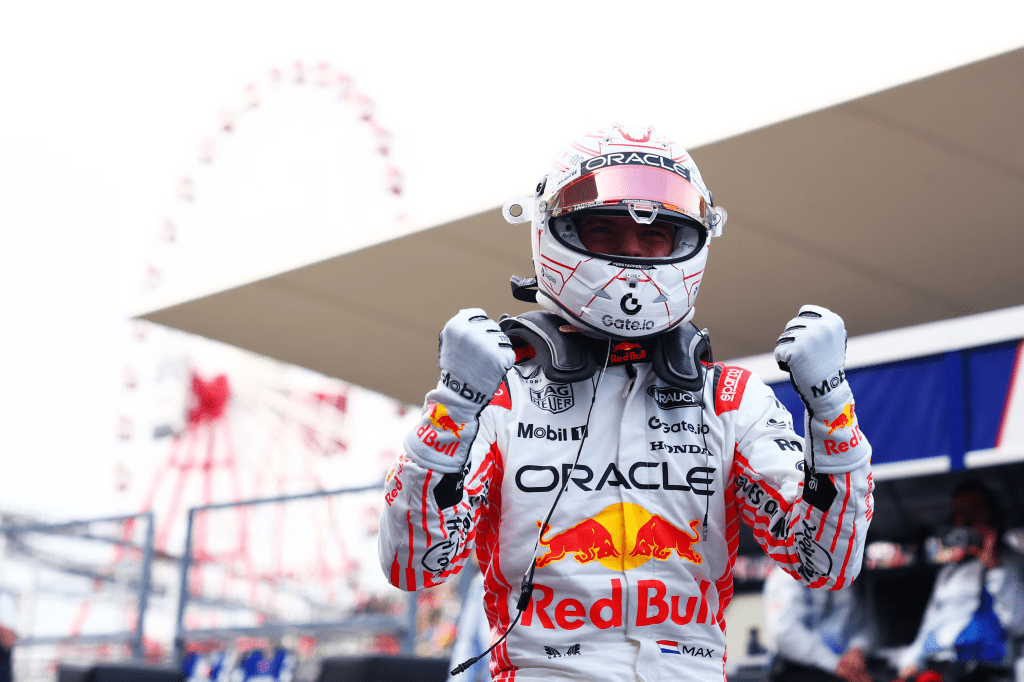
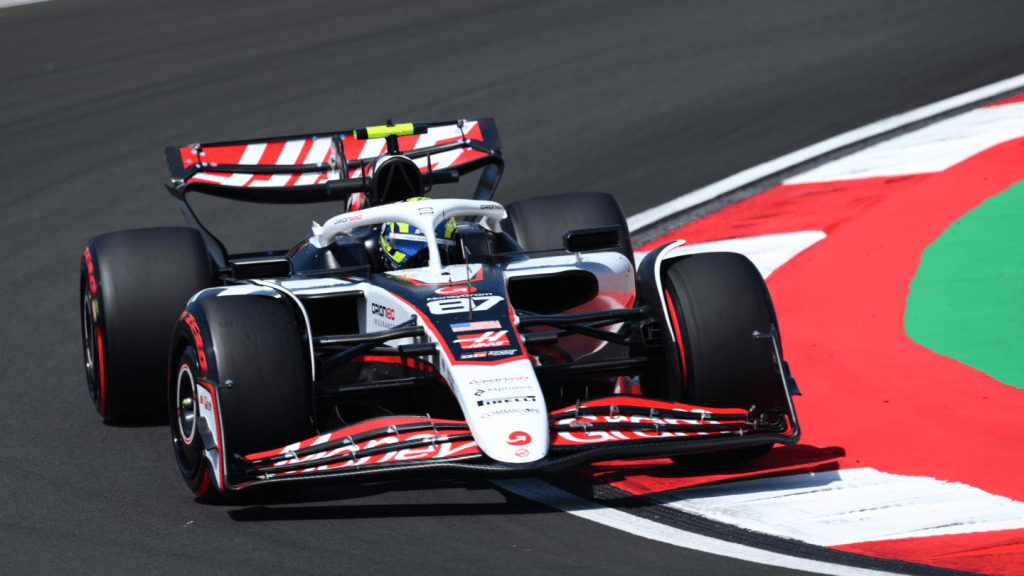
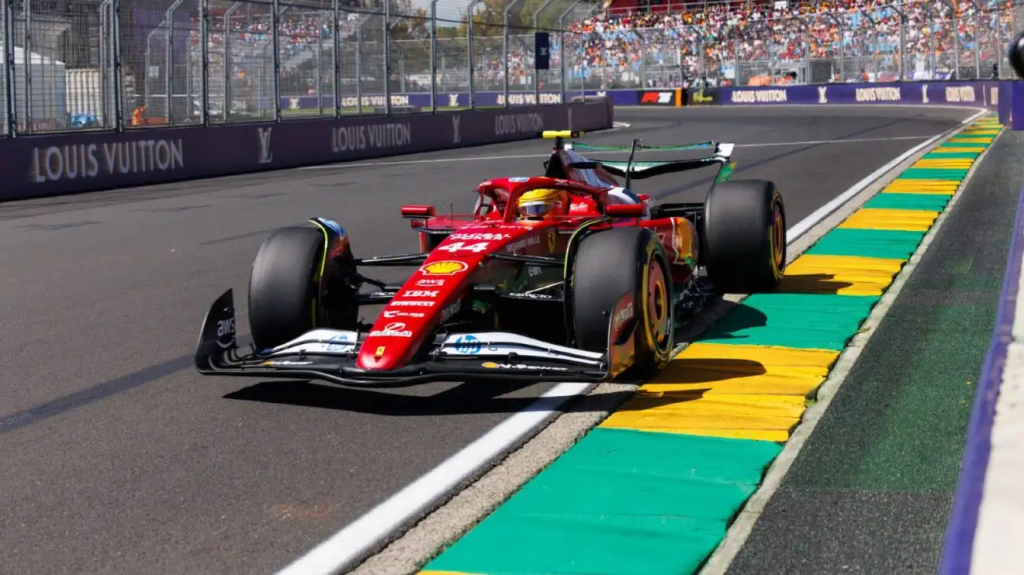
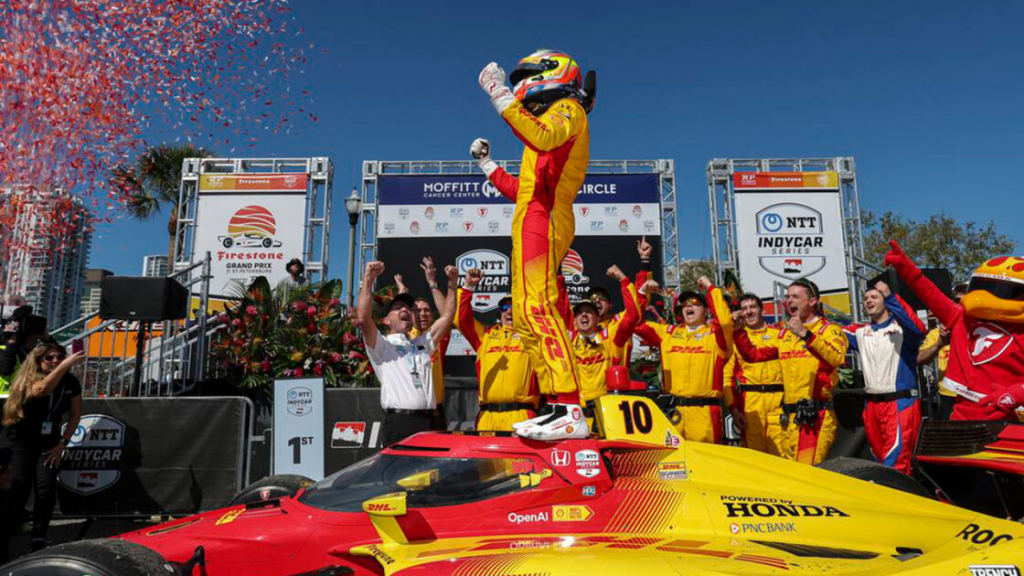
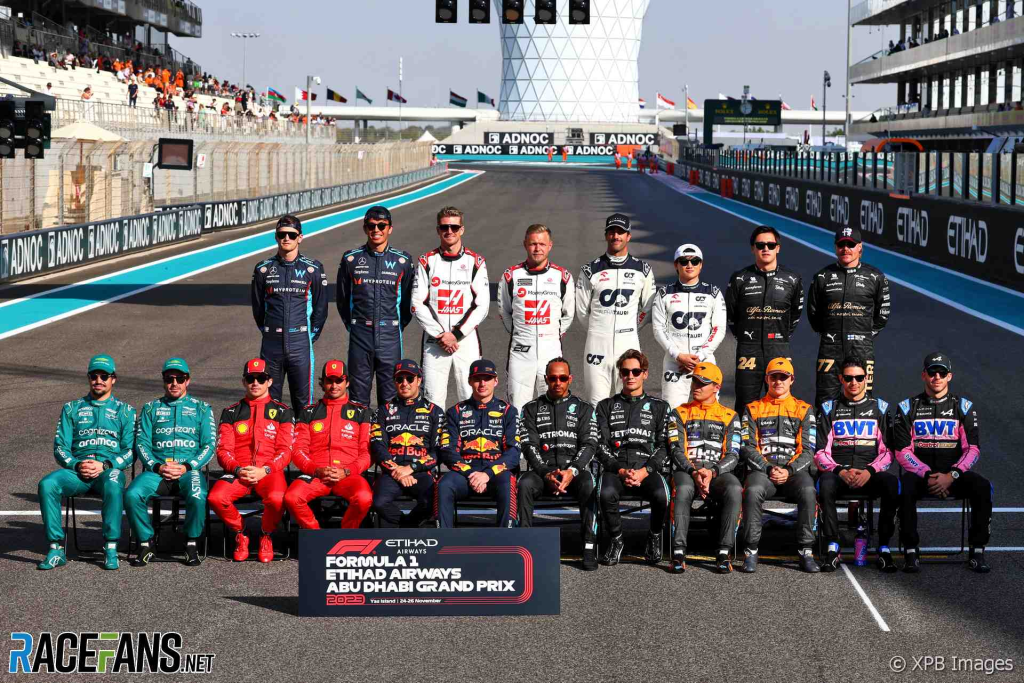
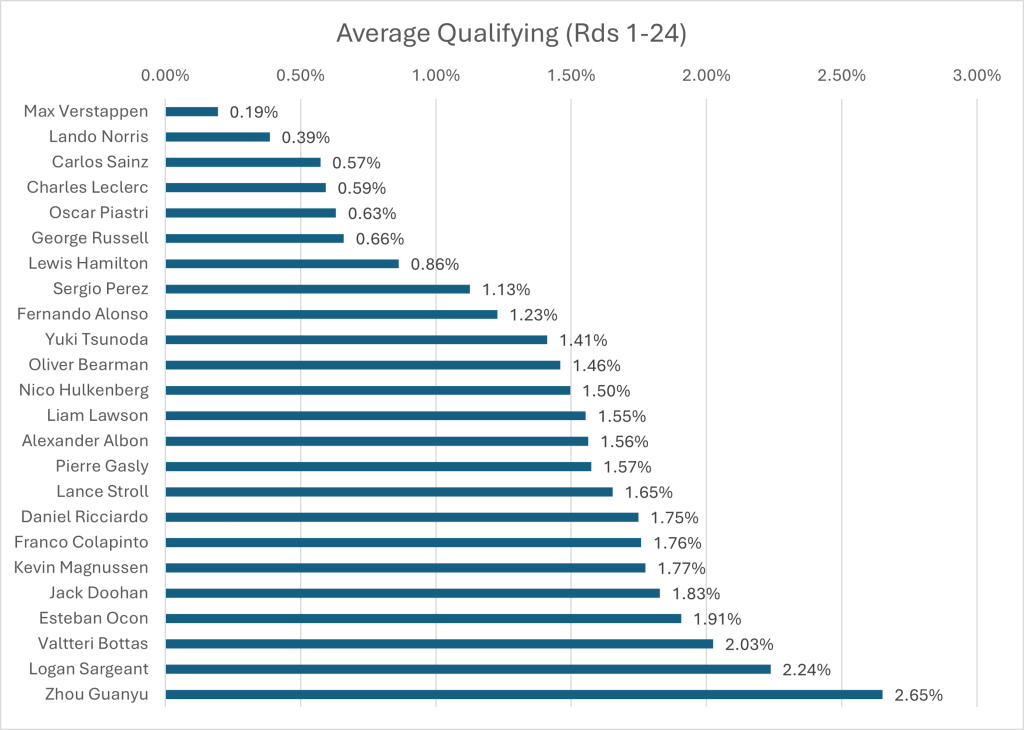
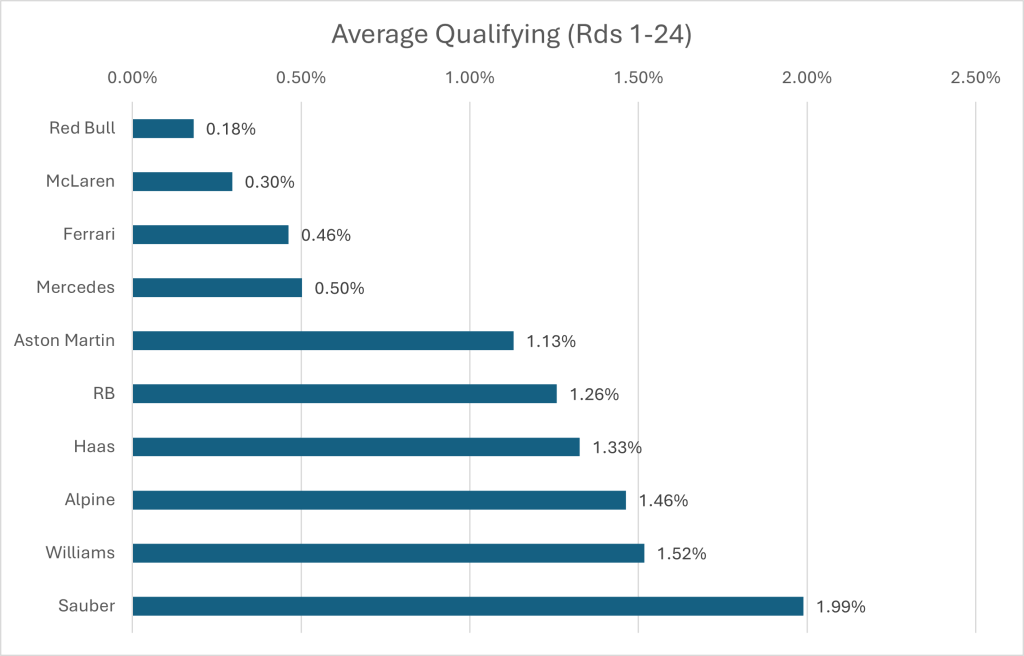
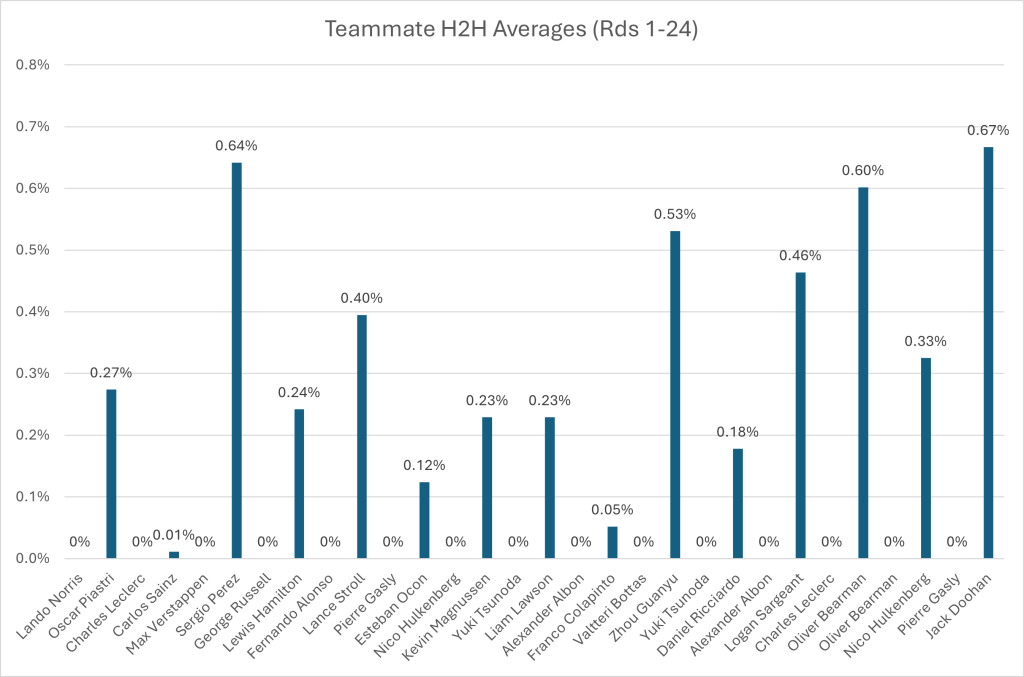

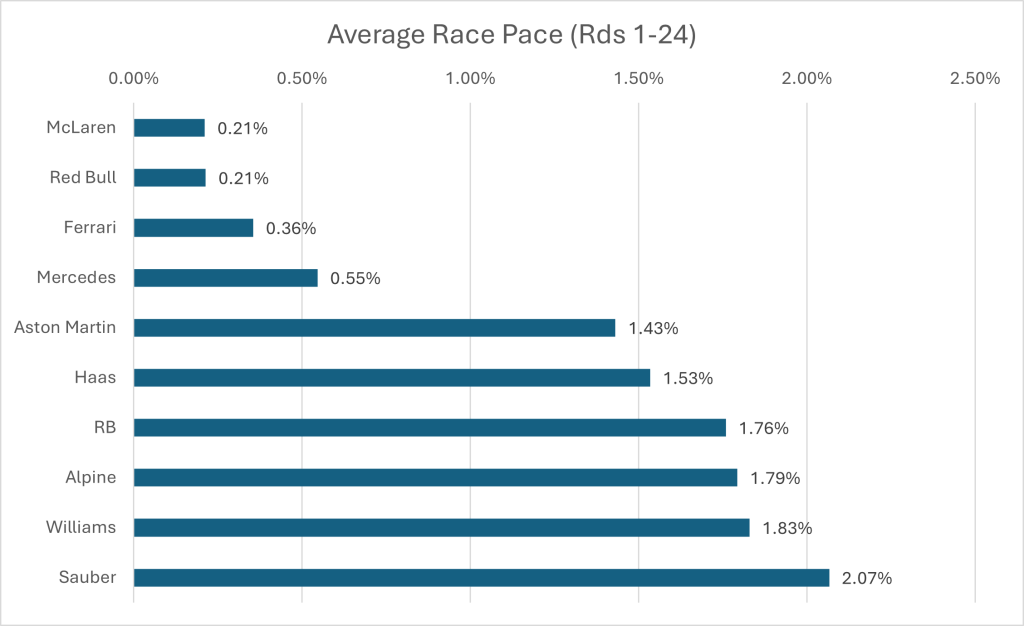


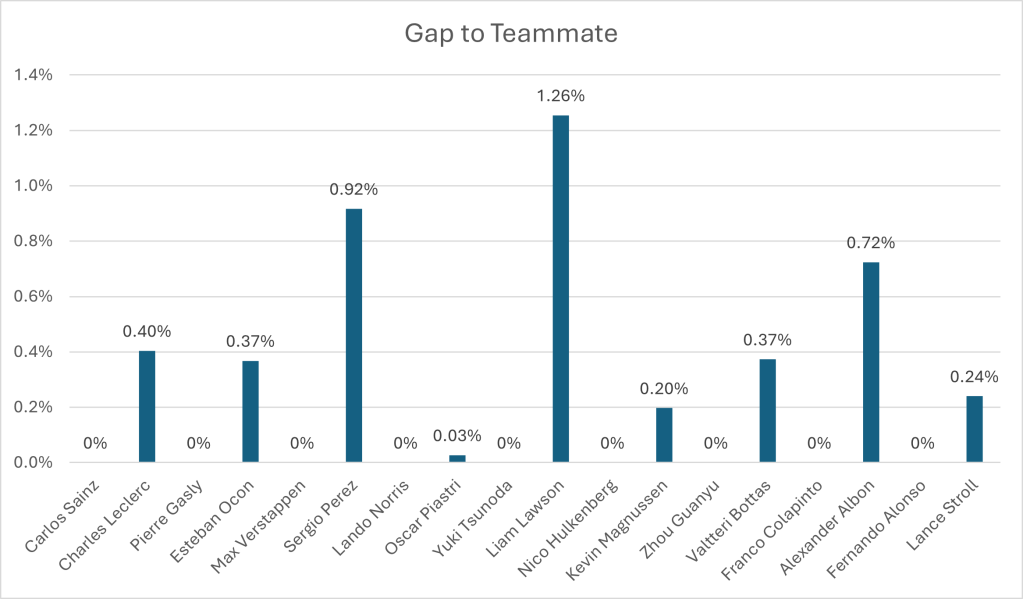
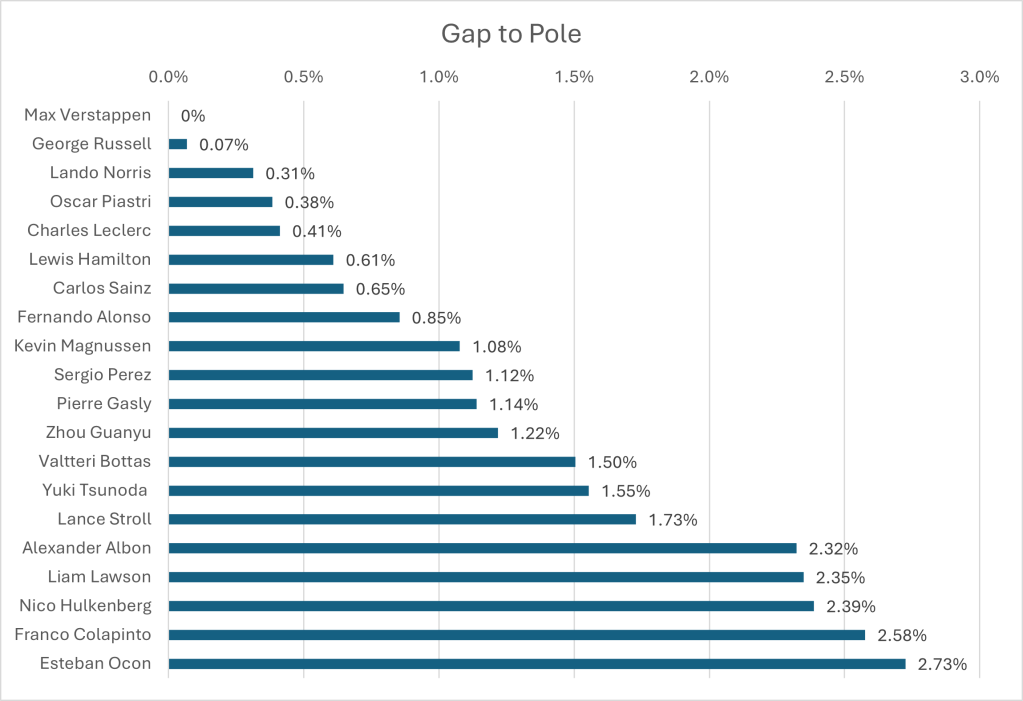
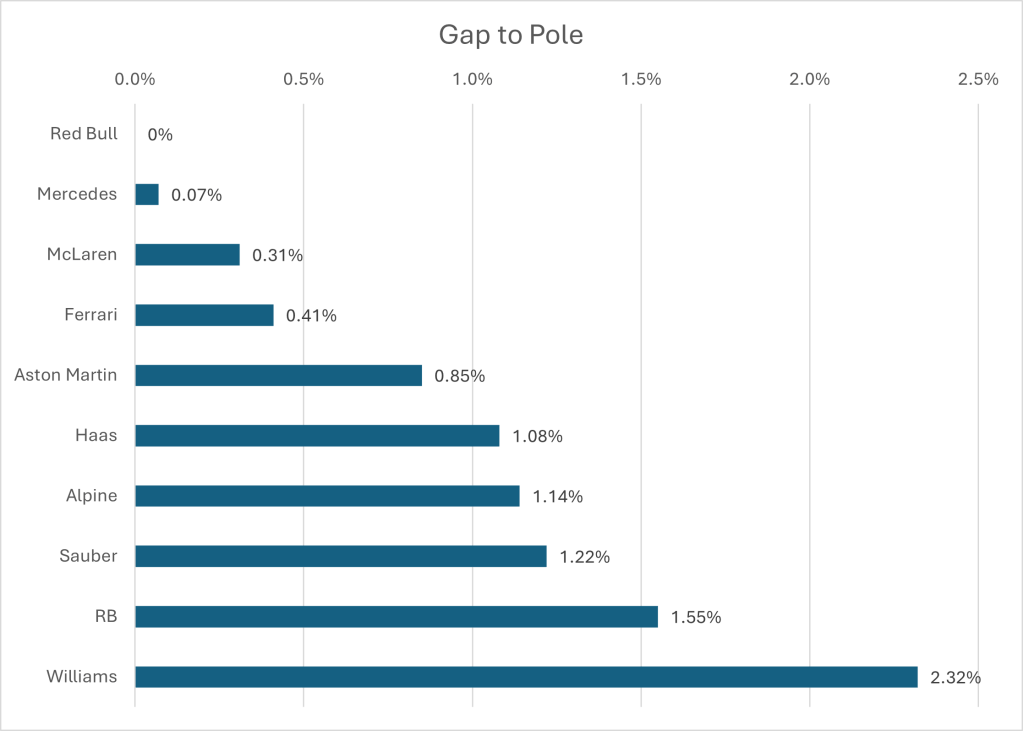
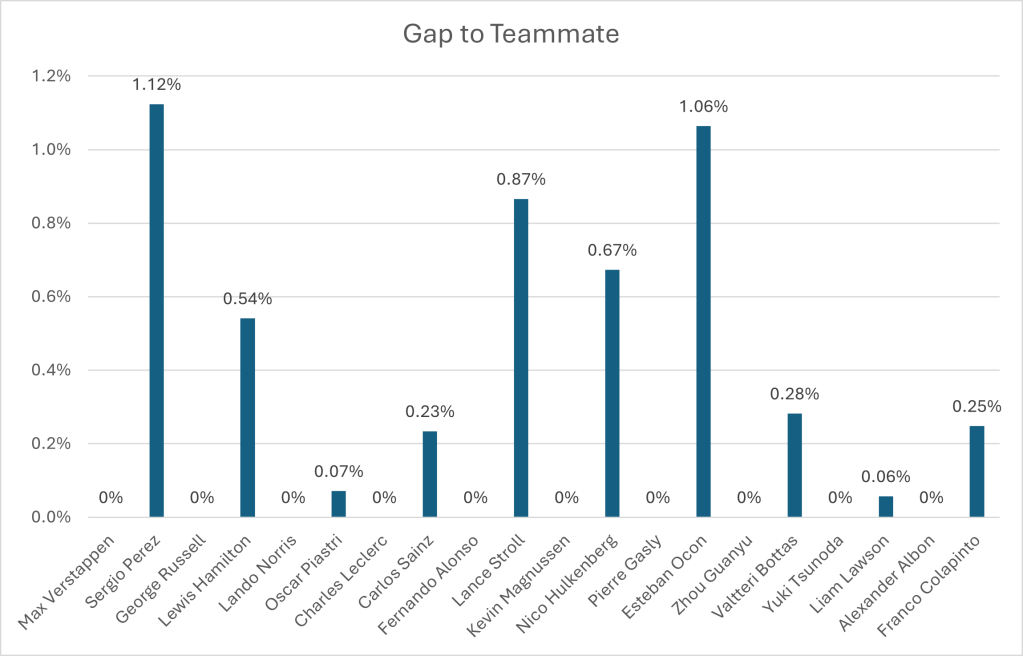
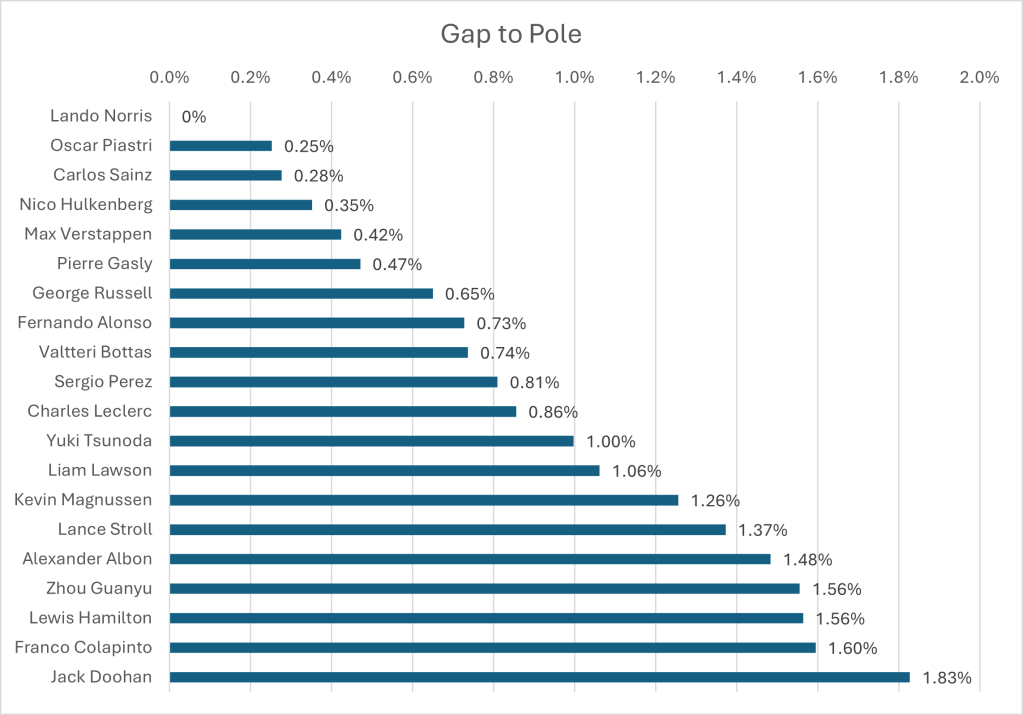
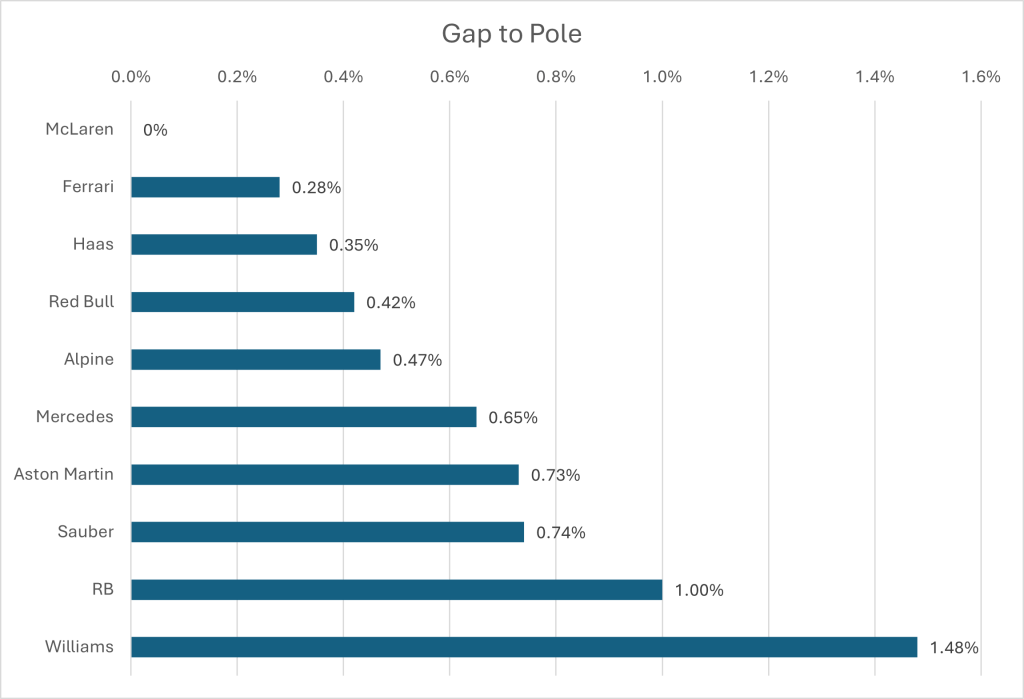
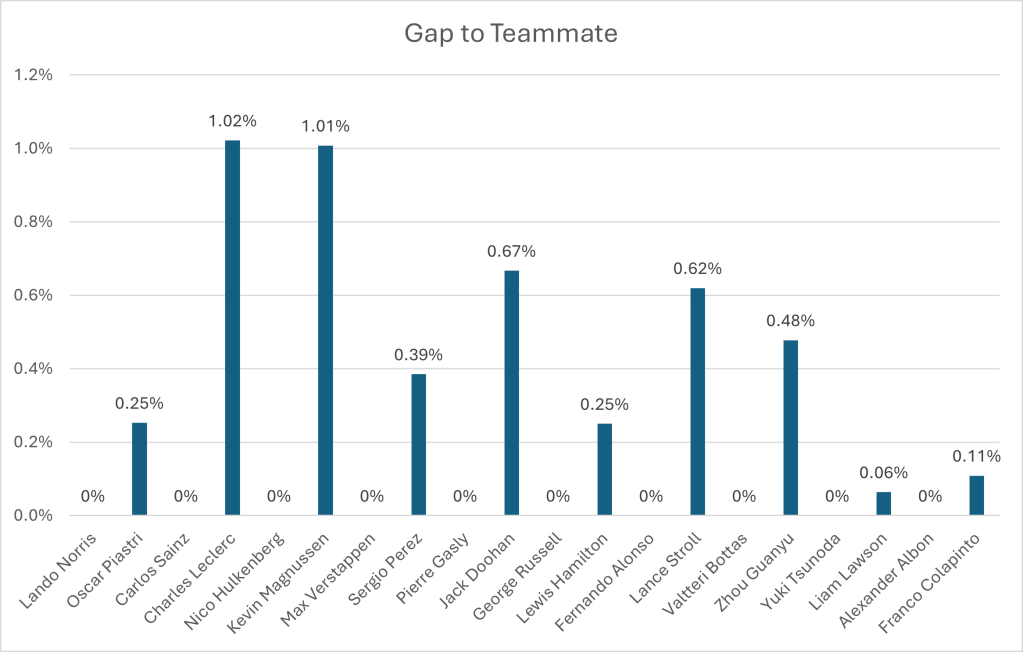
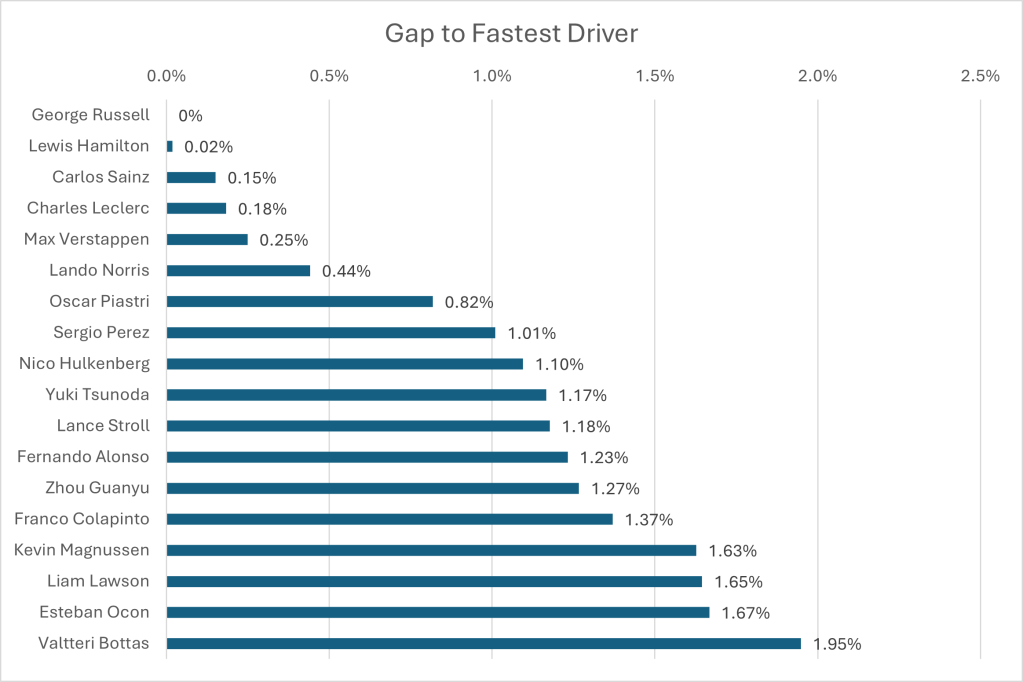
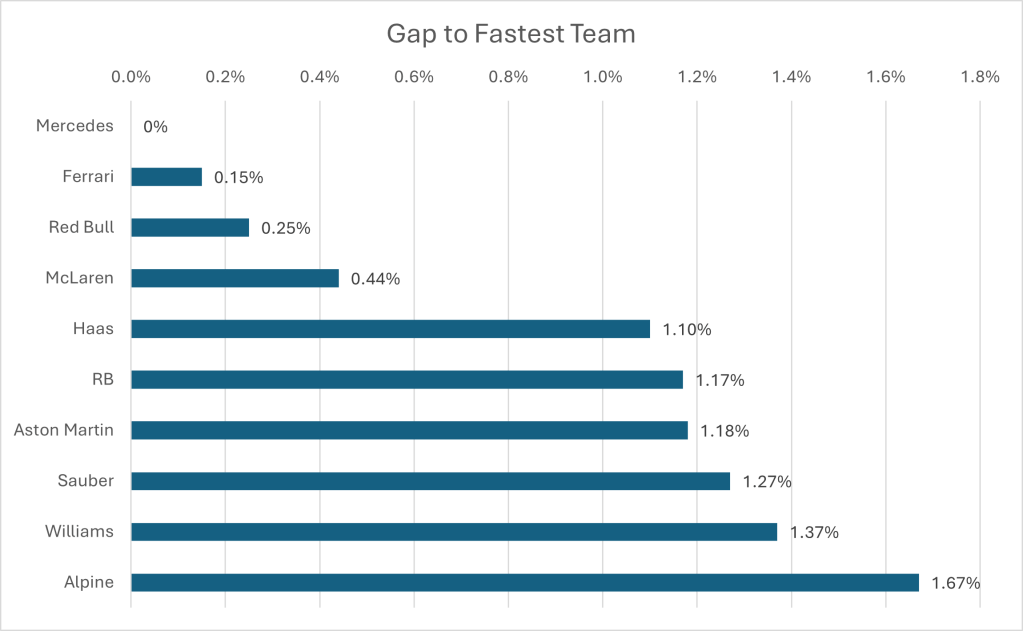

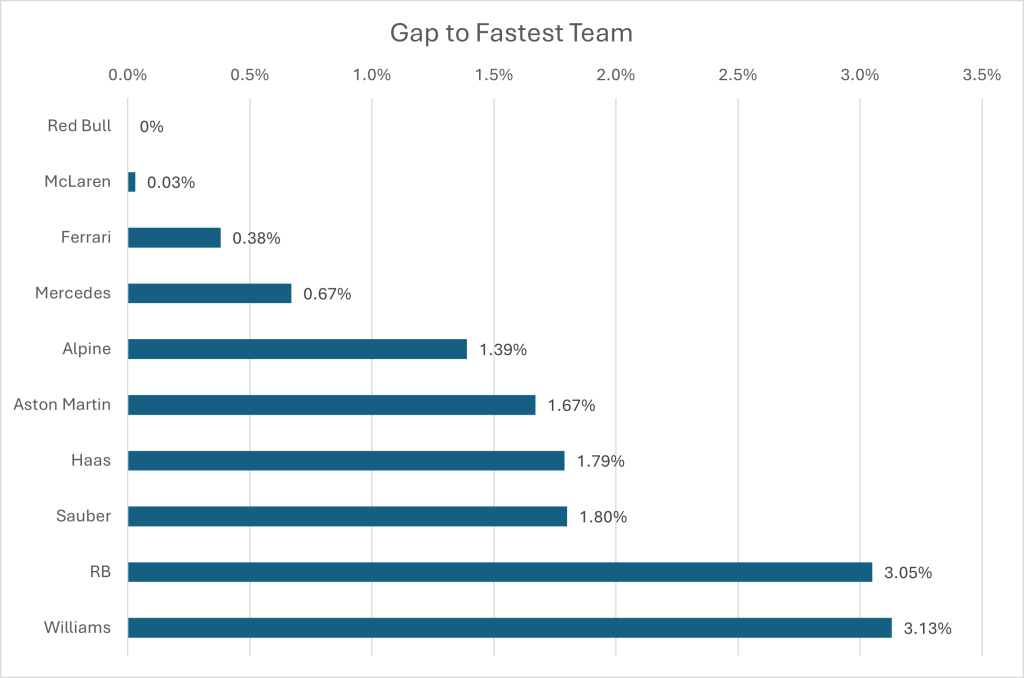
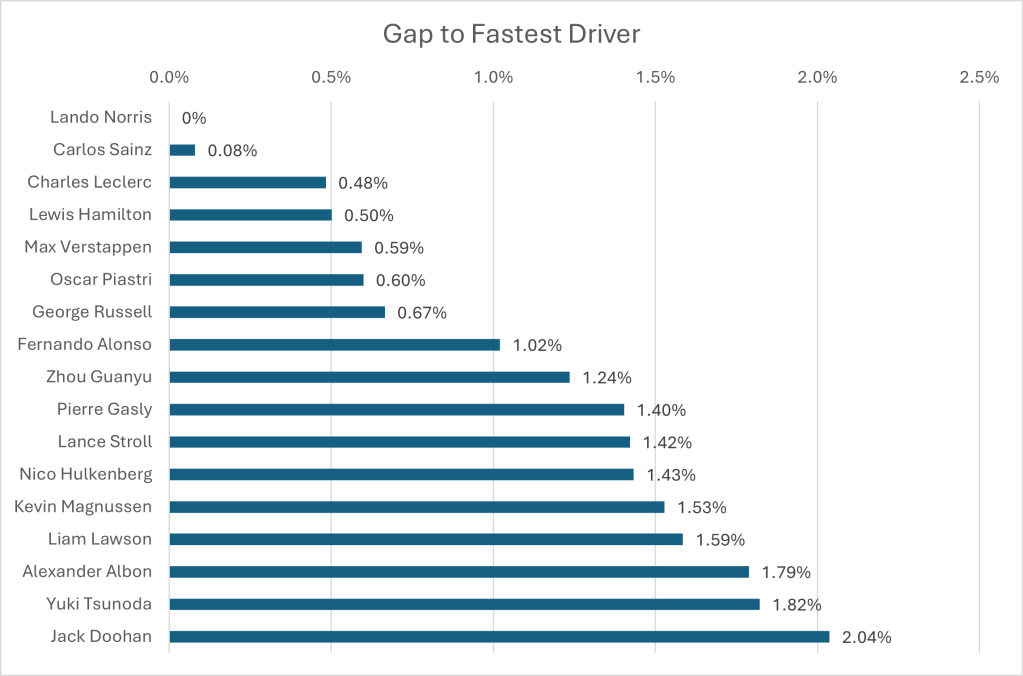
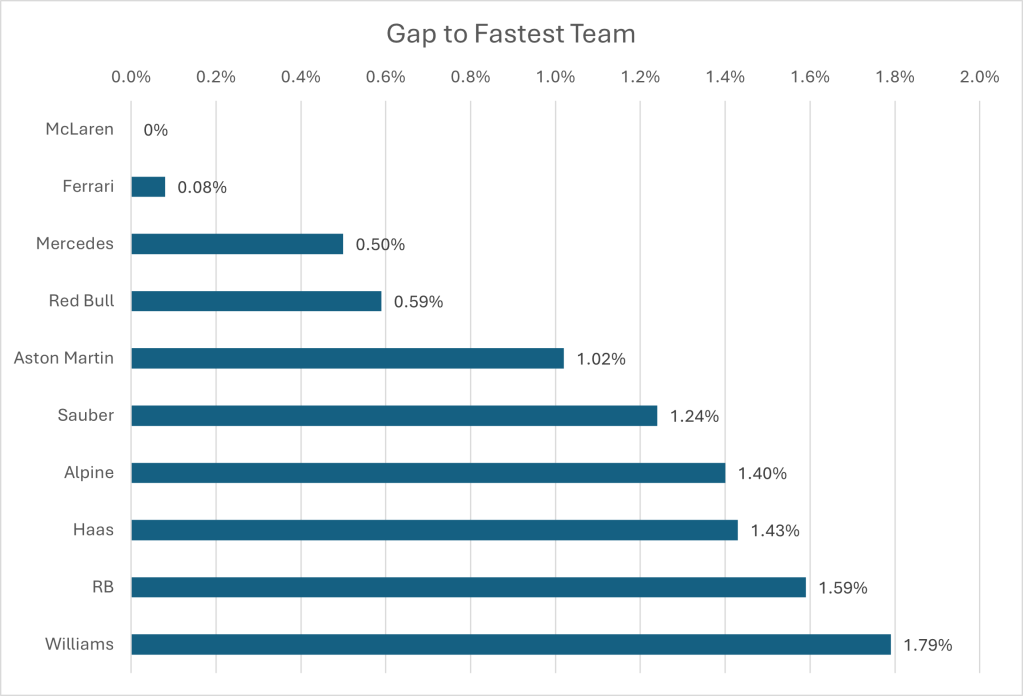
 Ryan's Lil' F1 Blog